


Anderson LimaSoftware Engineer & Architect
October 24, 2026
9 min read
0 views

The board shows eight planned deliveries. During the week, incidents, access requests and urgent fixes arrive through private messages. By Friday, little has finished. The discussion of lateness looks at what was on the board but not the work that consumed capacity. This contrast between the official plan and the actual work system is one way into The Phoenix Project.
Gene Kim, Kevin Behr and George Spafford tell the story of Parts Unlimited, a fictional company whose critical IT initiative, Project Phoenix, is over budget and behind schedule. IT manager Bill Palmer has ninety days to fix the crisis before the entire department is outsourced. The suspenseful premise asks an operational question: how can a company deliver changes when support, projects, infrastructure and approvals all compete for the same specialists?
I recommend the book to people in development, operations, product and management who need a shared vocabulary for bottlenecks. Its novel format makes flow accessible to readers who would not begin with a handbook. One caveat matters: its characters and dramatic turning points teach concepts, but they are not field research or proof that a particular reorganization will work.
The novel was first published on January 10, 2013. This review uses the fourth edition, published September 3, 2024, according to IT Revolution's official page. It is presented as a novel about IT, DevOps and business value; its authors are Gene Kim, Kevin Behr and George Spafford.
Bill takes responsibility for a project critical to the company while handling incidents, conflict between departments and knowledge concentrated in a few people. Erik, a prospective board member, serves as a mentor and asks questions that make Bill reinterpret the work. The ninety-day deadline sustains the tension and introduces ideas gradually instead of beginning with a glossary.
That choice is instructive. Anyone who has faced a delivery crisis can recognize queues, competing priorities and changes with effects beyond the team that initiated them. A group may improve its local indicator while worsening the company's result. The story names the problem before suggesting processes to see it.
There is a literary cost. The pace relies on coincidences, characters with sharply defined positions and changes that seem to happen faster than organizational transformations usually do. That helps the novel and team discussion, but can make a solution appear more universal than it is. Read the scenes as models for thinking, not as representative accounts of every technology company.
One of the book's most useful contributions is separating demands that often compete on the same board:
These categories do not replace triage, prioritization or risk assessment. The distinction reveals that a team's capacity is not dedicated only to promised deliveries. Unplanned work matters especially when it never appears in records: the plan then seems to fail through execution, while part of the week was consumed by demand missing from the estimate.
The point is not to call every urgent request waste. Incidents require a response. The useful questions are how much capacity they consume, which causes repeat and what preventive work might reduce recurrence without neglecting obligations. A rapid response path must remain available too; taxonomy and forms should not delay containment of an active failure.
Free and paid products to turn ideas into a foundation you can actually ship.
13 products available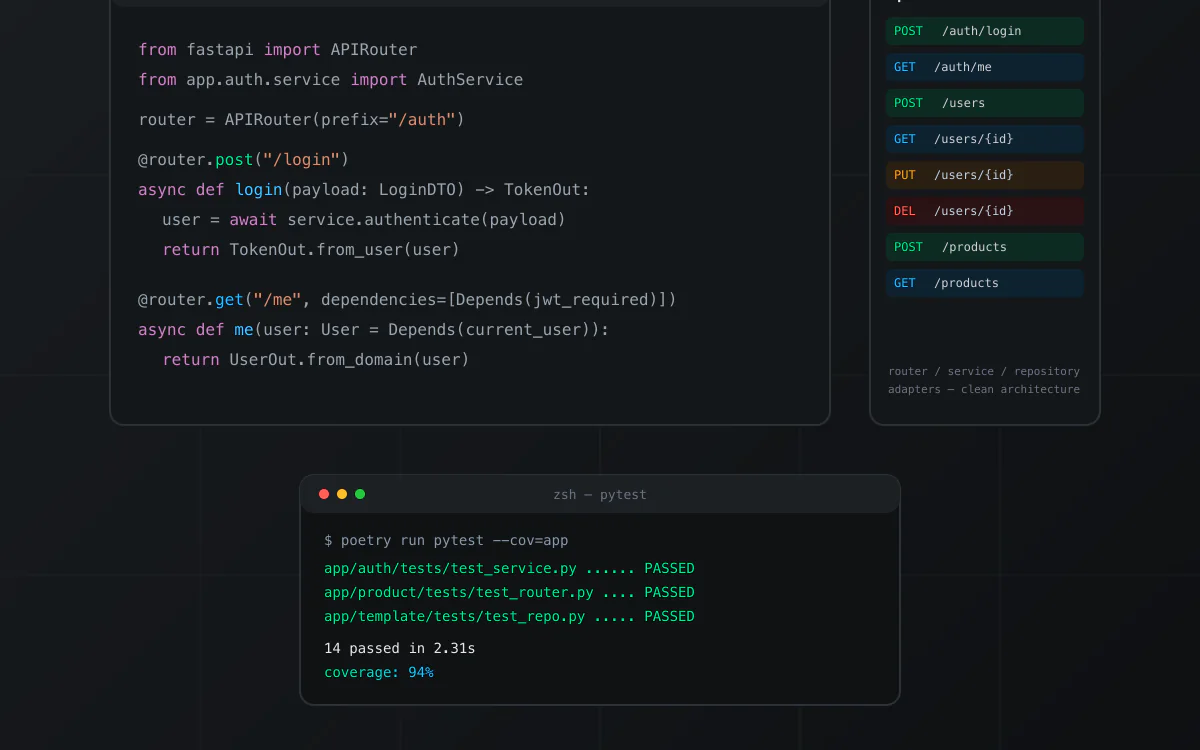
nextjs · boilerplate
Boilerplate de API em Python com FastAPI, organizado em Clean Architecture (router, service, repository e adapters por módulo). Inclui autenticação JWT com hashing bcrypt, MongoDB, testes com pytest e cobertura, Dockerfile e docker-compose para subir localmente, e documentação Swagger/OpenAPI automática. Repositório de origem privado; snapshot técnico verificado antes da publicação.
View product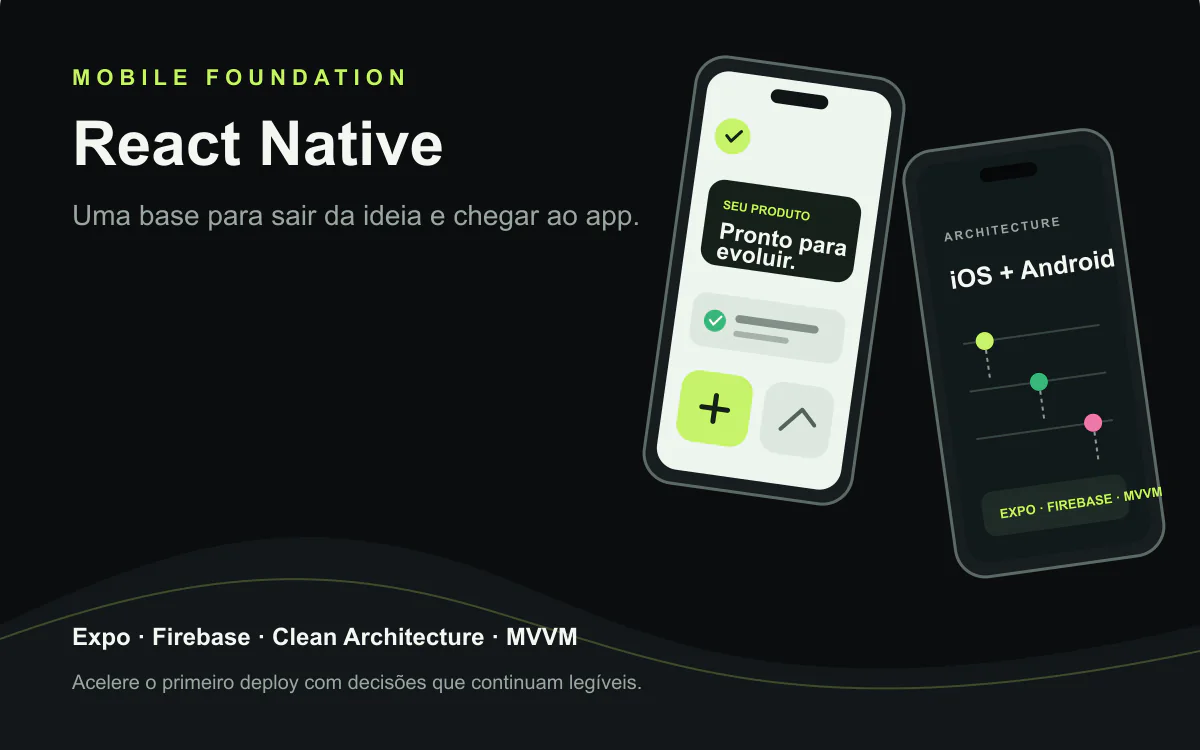
react · boilerplate
A React Native foundation for iOS and Android apps with Expo, Clean Architecture, MVVM, Firebase, and native modules. Technical reference from VaiDeFut, with public Google Play distribution and a documented iOS publishing flow.
View product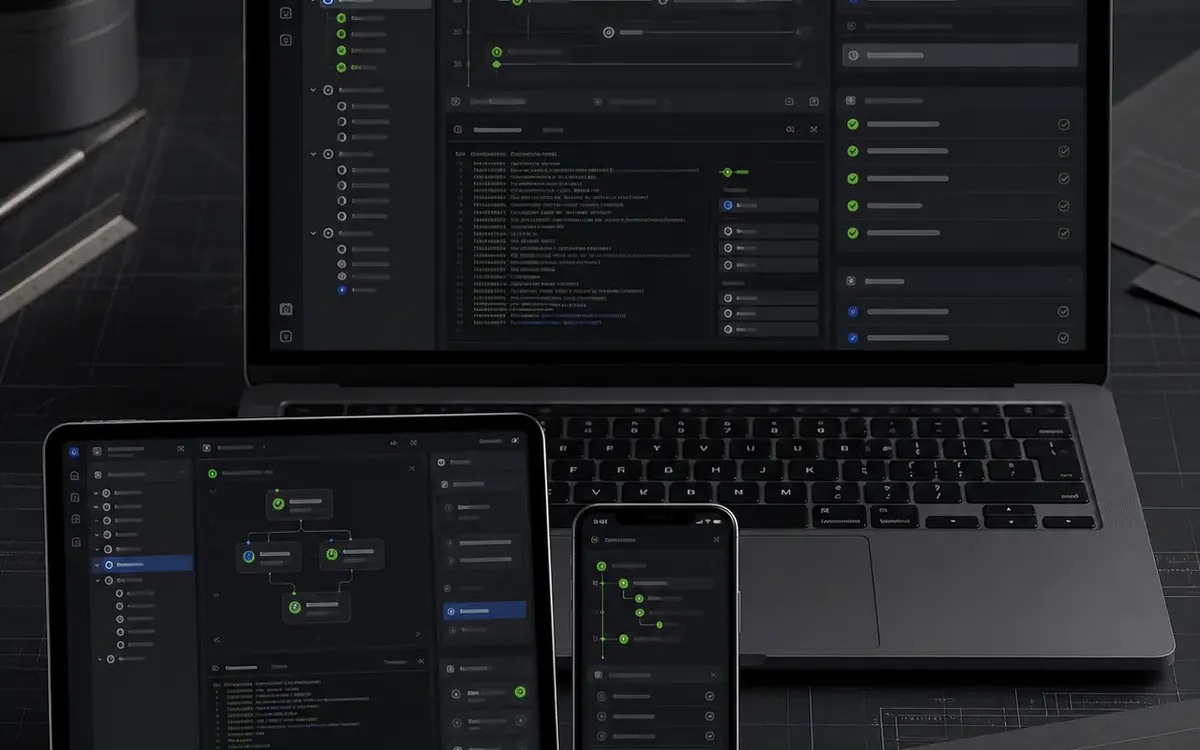
nextjs · boilerplate
A free open-source kit for getting started with coding agents across Claude Code, Codex, Gemini, Copilot, and OpenCode. The public repository confirms an MIT license.
View product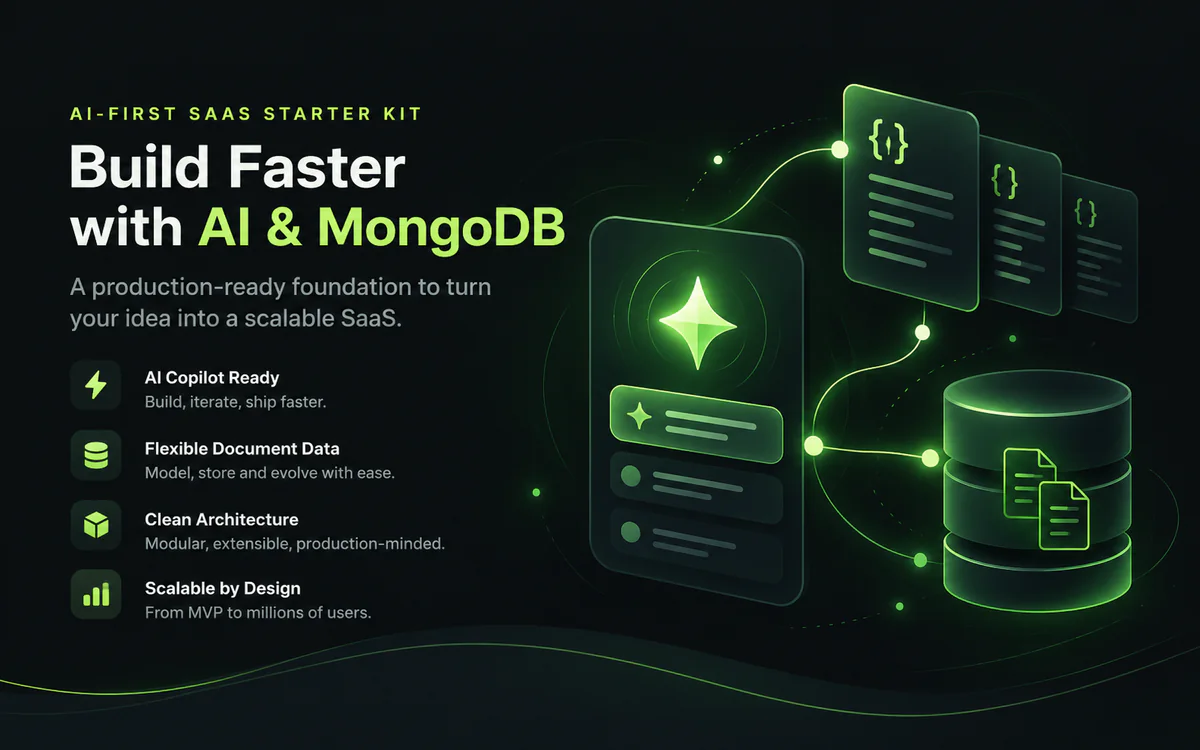
nextjs · boilerplate
A white-label AI-first foundation for shipping SaaS products with Next.js, chat, RAG, memory, tenants, and documentation. The verified snapshot documents Supabase rather than MongoDB; that limitation is explicit. MongoDB, Redis, and RabbitMQ require a compatible integration/configuration.
View product
nextjs · boilerplate
An advanced white-label, multi-tenant AI-first foundation for accelerating products with Next.js, chat, RAG, memory, and documentation. The verified snapshot does not prove a distinct Ultra layer; that limitation stays explicit while provider, cache, and queue swaps remain visible.
View product
nextjs · boilerplate
A white-label, multi-tenant foundation for turning an idea into an AI-first SaaS with Next.js, chat, RAG, memory, and documented security. The verified snapshot uses Supabase; the name identifies the source repository. Provider, cache, and queue boundaries stay explicit; Redis and RabbitMQ are configurable integrations.
View product
react · portfolio
A one-time contribution that supports free technical content, research, and the continuity of relevant projects published by Anderson Lima. You choose the amount; there is no subscription.
View product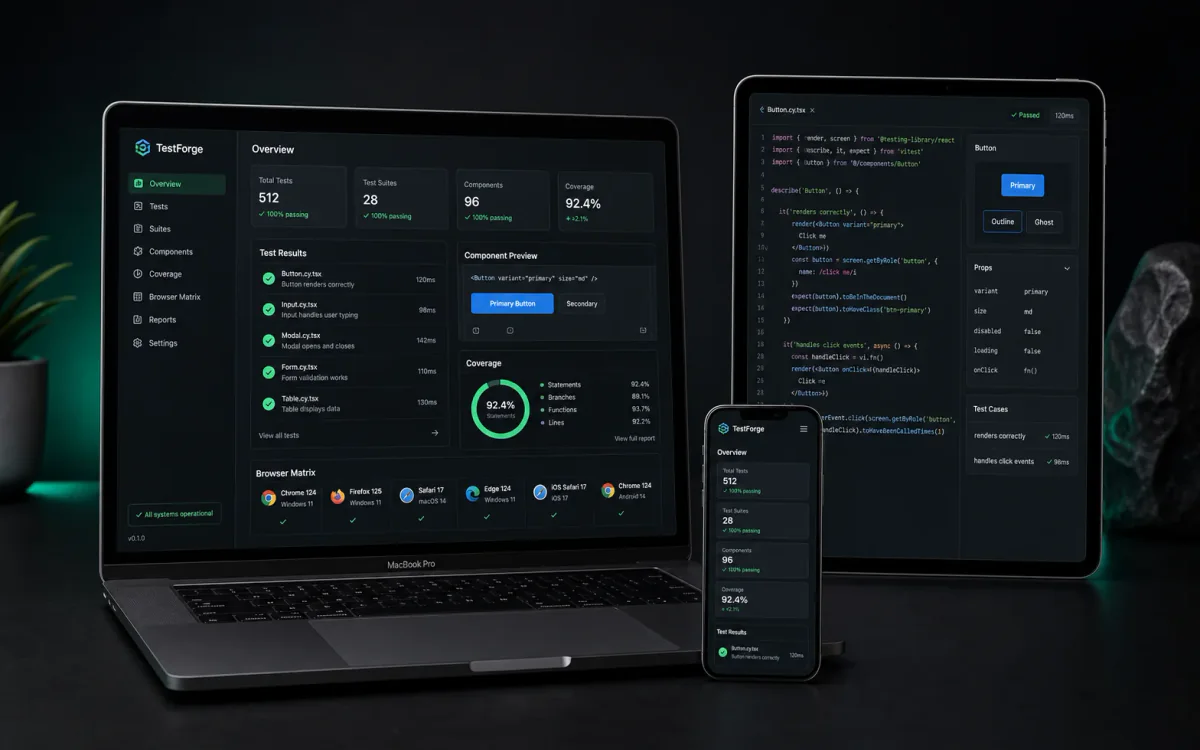
react · boilerplate
A free React starter for building a reliable test suite from the first commit, combining Vitest, Testing Library, Playwright, Vite, TypeScript, Zustand, React Query, MirageJS, and PWA. The repository does not declare an SPDX license; review its terms before commercial use.
View product
react · portfolio
A public React, TypeScript, and Vite monorepo for exploring a component library with a native-inspired visual language. The current README is minimal and does not declare an SPDX license; treat it as a free preview.
View product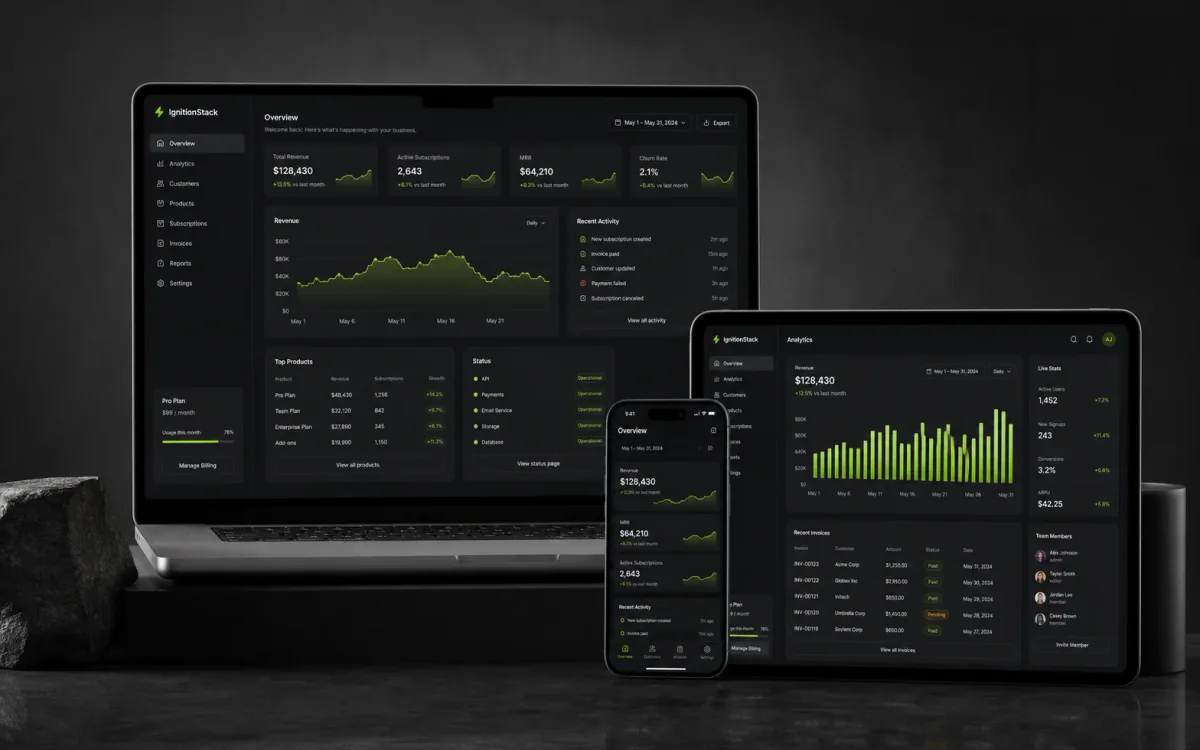
nextjs · saas
An AI-first SaaS boilerplate with Next.js, Supabase, Stripe, and provider routing to move from the first prompt toward a real deployment faster. AI, data, email, cache, and queue adaptations stay explicit; Redis and RabbitMQ are configurable integrations.
View product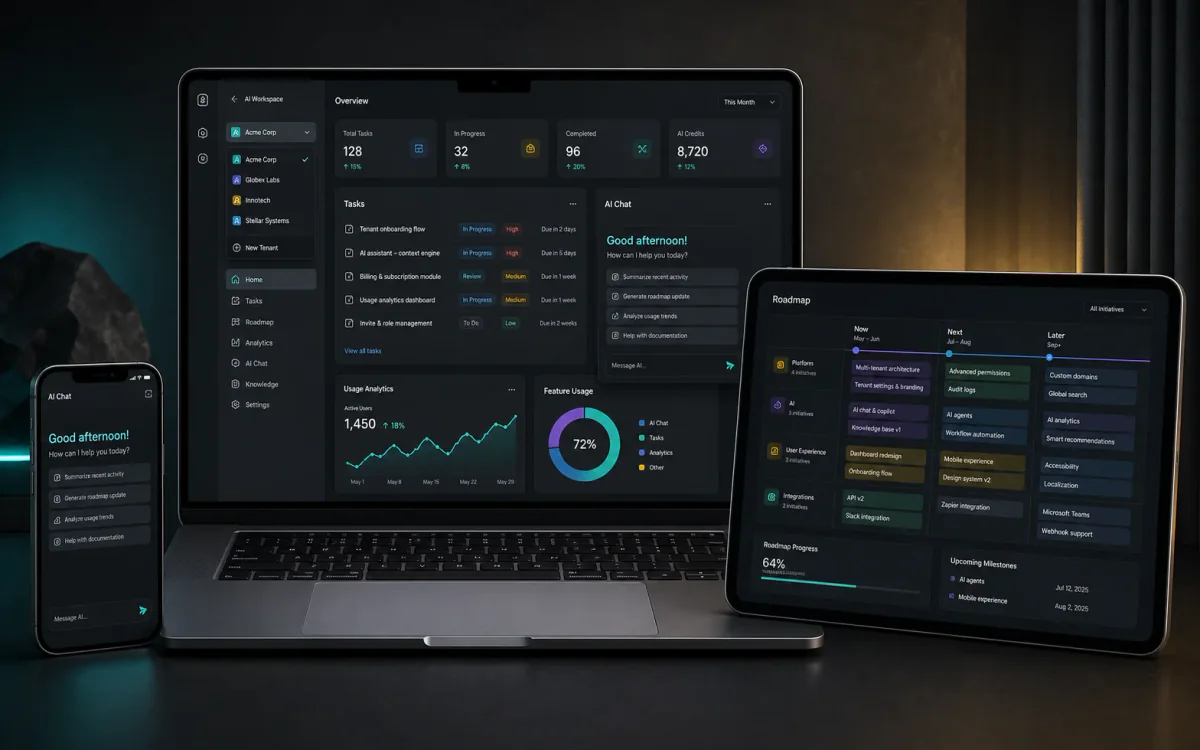
react · saas
A React + TypeScript starter for multi-tenant SaaS with Firebase, Atomic Design, themes, PWA, product screens, MirageJS, and Gemini chat extensible to other providers. Validate production requirements, costs, and integrations before publishing.
View product
react · boilerplate
A public React starter with TypeScript, Zustand, React Query, Tailwind CSS, PWA, and documented AI integrations. The repository does not declare an SPDX license; review its terms before commercial use.
View product
nextjs · saas
A Next.js, TypeScript, and Tailwind CSS SaaS landing page with SEO, themes, i18n, PWA, and integration points for auth, Stripe, and AI. A clear foundation for leaving the blank screen behind and shaping your positioning.
View productContinue exploring similar topics

Apply Michael Nygard's approach to timeouts, isolation and recovery through a controlled failure exercise.
Turn passive study into a learning project with direct practice, feedback and spaced retrieval.
Critical review of Rob Fitzpatrick: investigate real episodes, separate facts from hypotheses and do not mistake interviews for market validation.
A 47-point checklist to find bugs, security risks, and performance issues before launch.
Production-tested templates trusted by developers. Save weeks of setup on your next project.
The story introduces three principles that direct change. The authors' summary describes them as flow and systems thinking; amplifying feedback loops; and continual experimentation and learning.
The First Way follows work from idea to value in production. Smaller batches and visible queues help locate the resource restricting flow. The goal is not to keep everyone busy or speed up one stage in isolation. If a specialist's review is where work waits, opening more tasks does not create capacity there.
The Second Way strengthens feedback between people creating a change and those observing its effects. Tests, monitoring, actionable alerts and operations data can reveal quality and deployability problems sooner. A deployment does not end the work if its effects on users remain unknown. Feedback matters when it reaches someone able to respond and informs a decision.
The Third Way treats learning and experimentation as part of work. A failure without individual blame can reveal a missing safeguard; a small, reversible change can test a hypothesis. A retrospective without action does not close the loop. Nor is it safe to call something an experiment when the same people remain exposed to risk without authorization, protection or time to repair.
These principles reinforce each other. Flow without feedback can deliver defects to users more quickly. Feedback without room to act becomes an ignored alert. Experimentation without limits can turn production into an involuntary laboratory. The novel connects these tensions in a plot, but readers still need to translate each principle into local choices and safety controls.
Consider a wholly hypothetical exercise. Four people have twenty hours of focus each in one week, for a total of 80 person-hours. The plan reserves 64 hours for eight business and internal items. During the week, five unplanned requests consume 24 hours. That leaves 56 hours for the plan: at least eight hours of promised work cannot fit that week, even before smaller interruptions are counted.
This calculation does not measure productivity or blame whoever reported an incident. It makes a mismatch between demand, capacity and plan explicit. The team might find that two of the five requests came from one unstable dependency; the others may be legitimate and unrelated. Grouping them all as “interruptions” would discard information.
For a short window, record categories, waiting time, approximate effort, cause and user impact. Avoid copying private messages or sensitive details to a shared board. Contain active incidents first; classify and review them afterward. Compare the data with the people handling the requests before calling any stage a bottleneck.
Choose one bounded hypothesis: for instance, improving a recovery procedure may reduce one recurring class of requests. Define an observable signal, owner, time frame and reversal condition. In review, check whether demand fell or merely changed category, responsible group or intake channel. The Parts Unlimited story inspires the question; your team's evidence must answer it.
Brent, the specialist who seems able to solve problems nobody else can, represents a dangerous dependency. Concentrating knowledge and decisions in one person creates a queue even when that person never stops working. The cost is more than individual overload: the organization loses predictability, fails to build capability in others and may confuse heroics with a healthy process.
Reducing this dependency takes protected time. Asking someone to document, teach and automate while keeping the entire original workload adds three more tasks to the bottleneck. A real transition must reduce urgent work, prioritize which knowledge to transfer and accept that another person's first attempt may take longer. The goal is service resilience, not making the specialist disposable.
The novel also highlights conflicting incentives between development and operations. Shipping quickly and preserving reliability cannot belong to isolated departments. The discussion needs people setting priorities, approving risk, maintaining the platform and handling consequences. Renaming a department “DevOps” does not change incentives or automatically transfer decision-making authority.
As a teaching device, the novel gives abstractions context. A queue is no longer only a stage in a diagram when a delay threatens a customer's experience, someone's job or the company's survival. That dramatic charge can help mixed groups discuss the work. The questions are practical: what arrived outside the plan, which resource constrains flow, who receives feedback and which preventive work deserves priority?
But a story selects events to create an arc. Real teams face regulation, time zones, legacy systems, contracts, security, data access and budgets that an inspiring conversation cannot resolve. Cultural change in ninety days is narrative pressure, not a recommended timeline for reorganizing a company. The model also does not replace empirical research like Accelerate or provide every implementation detail from The DevOps Handbook.
The vocabulary also needs care. DevOps does not mean merging every responsibility into a team without boundaries, and there is no tool list that transforms an organization. The book works best as a starting point for seeing work and dependencies. For current decisions, combine it with evidence and practices suited to your domain.
I recommend it to people working across product projects, operations and support, especially when departments have different accounts of what caused delays. Beginners can learn the ideas without knowing constraint theory in advance, but the book becomes more useful when someone connects its scenes to a real situation carefully.
If you need to design a service's resilience, Release It! explores failure modes and operational limits. If you want to study relationships between capabilities and delivery performance, Accelerate examines research and measurement. Team Topologies helps analyze boundaries and interactions between groups. The Phoenix Project is the narrative entry point for asking how flow works as a system.
As you read, note three things: what type of work each scene reveals, where a queue appears and who receives information about a change's consequences. Then choose a real week and record planned items beside demand that arrived later. Separate observation from interpretation: “five requests arrived” is data; “department X causes delays” is a hypothesis.
Talk with the people who create and operate the system. Choose one constraint, test a reversible improvement and observe delivery, stability, support effort and user impact. Do not measure success by utilization or copy the characters' journey.
I recommend The Phoenix Project because it makes a problem discussable that often hides under individual performance pressure. Its value is the story and vocabulary; its limit is the simplification inherent in a business allegory. The book has served you when you can see work missing from the plan and turn that signal into a shared investigation without looking for a hero to blame or save everything.