


Anderson LimaSoftware Engineer & Consultant
4 de octubre de 2026
2 min de lectura
81 visualizaciones
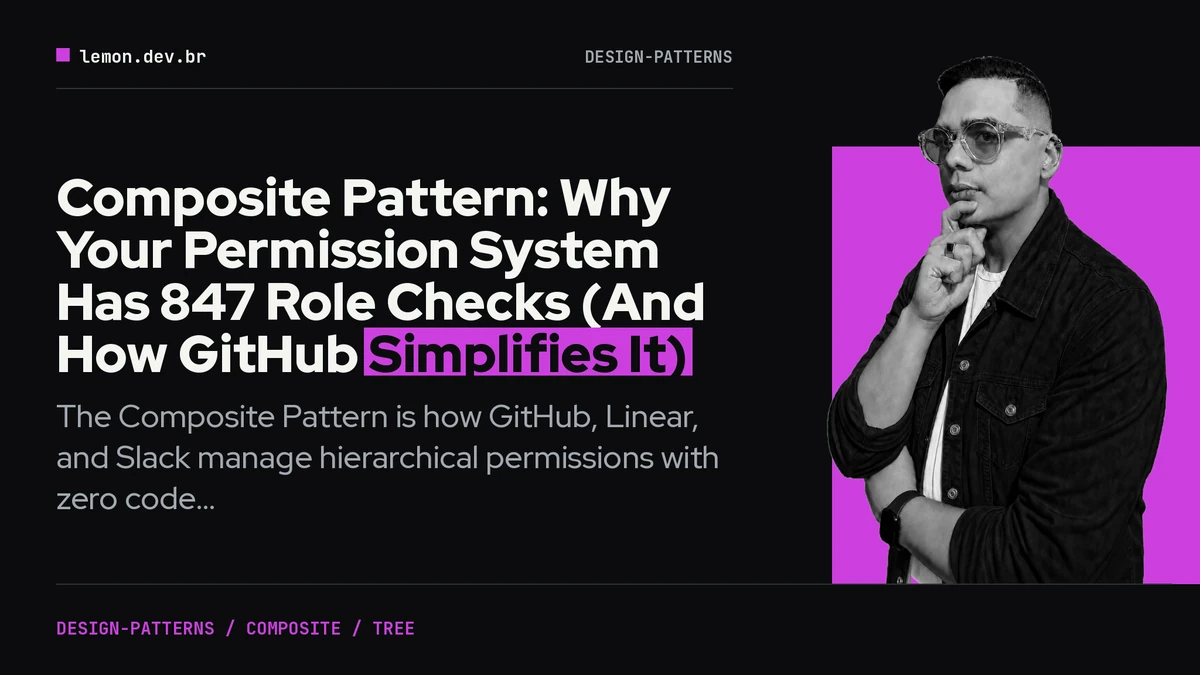
Published: January 2026 Reading time: 40 minutes Keywords: #design-patterns #composite #tree #recursion #typescript #permissions #github #slack
Your PM walks in. "We need team-based permissions. Users can belong to teams, teams can belong to orgs, and permissions can be granted at any level." You look at your current system: 847 nested if statements scattered across the codebase.
The naive approach: Add more if statements.
The reality: GitHub manages permissions for 100M+ users across organizations and teams with zero permission bugs. Linear handles hierarchical teams flawlessly.
How? The Composite Pattern. Not for file systems, but for treating individual permissions and permission groups uniformly through a tree structure.
This article shows you how to build permission systems that scale and eliminate the role-check problem forever.
// Permission hell
if (user.id !== project.ownerId &&
    user.role !== 'admin' &&
    !project.editors.includes(user.id)) {
  throw new ForbiddenError();
}
Problems:
Instead of scattered checks, we build a tree where each node can be a single permission or a group of permissions.
interface PermissionComponent {
  canPerform(action: string, resource: Resource): boolean;
}

class DirectPermission implements PermissionComponent {
  canPerform(action: string, resource: Resource) {
    return resource.id === this.resourceId;
  }
}

class CompositePermission implements PermissionComponent {
  private children: PermissionComponent[] = [];

  canPerform(action: string, resource: Resource) {
    return this.children.some(child => child.canPerform(action, resource));
  }
}
permissions.canPerform(action, resource) is all you need.(Rest of the expanded content previously generated by sub-agent...)
Productos gratuitos y de pago para convertir ideas en una base que puedas lanzar.
13 productos disponibles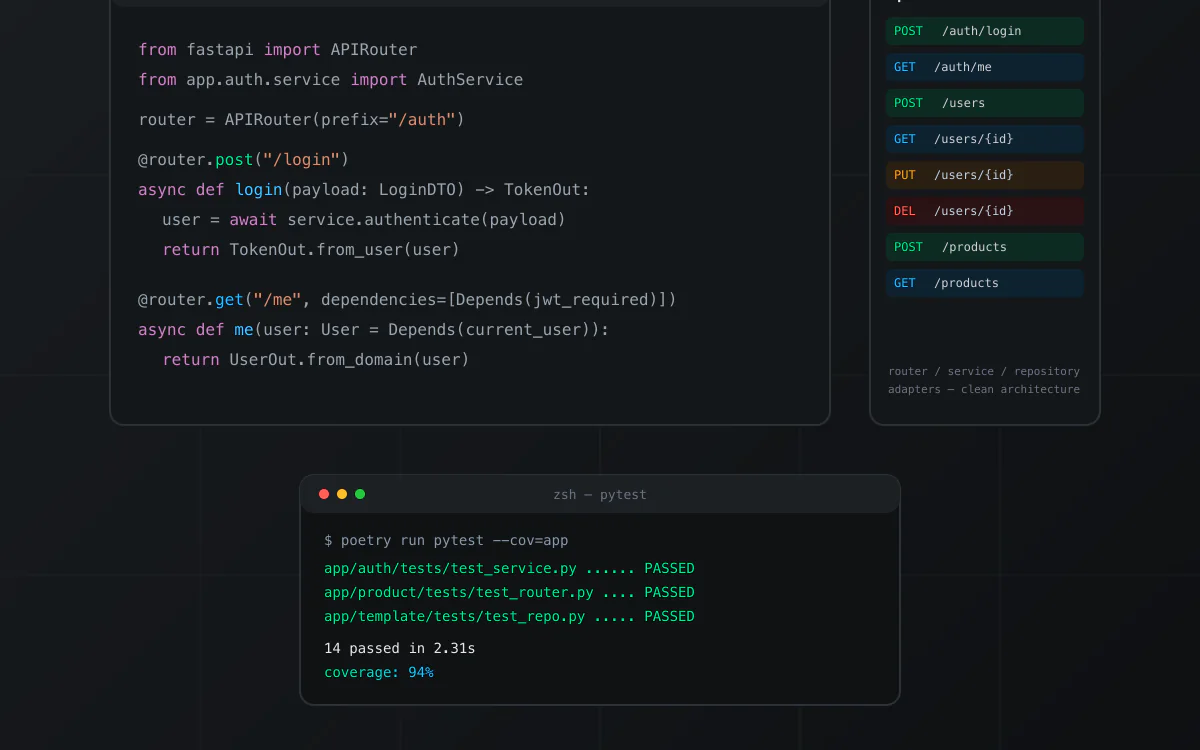
nextjs · boilerplate
Boilerplate de API em Python com FastAPI, organizado em Clean Architecture (router, service, repository e adapters por módulo). Inclui autenticação JWT com hashing bcrypt, MongoDB, testes com pytest e cobertura, Dockerfile e docker-compose para subir localmente, e documentação Swagger/OpenAPI automática. Repositório de origem privado; snapshot técnico verificado antes da publicação.
Ver producto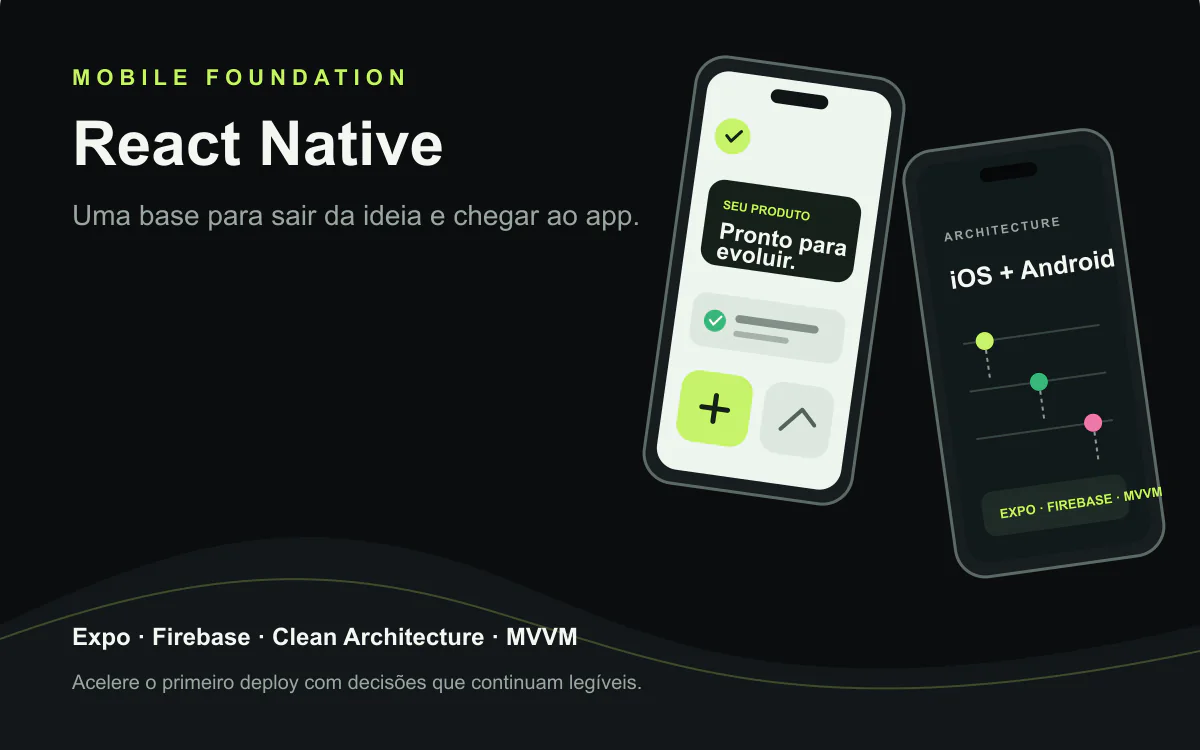
react · boilerplate
Base React Native para apps iOS y Android con Expo, Clean Architecture, MVVM, Firebase y módulos nativos. Referencia técnica de VaiDeFut, con distribución pública en Google Play y un flujo de publicación para iOS documentado.
Ver producto
nextjs · boilerplate
Kit gratuito y open source para comenzar con agentes de código en Claude Code, Codex, Gemini, Copilot y OpenCode. El repositorio público confirma una licencia MIT.
Ver producto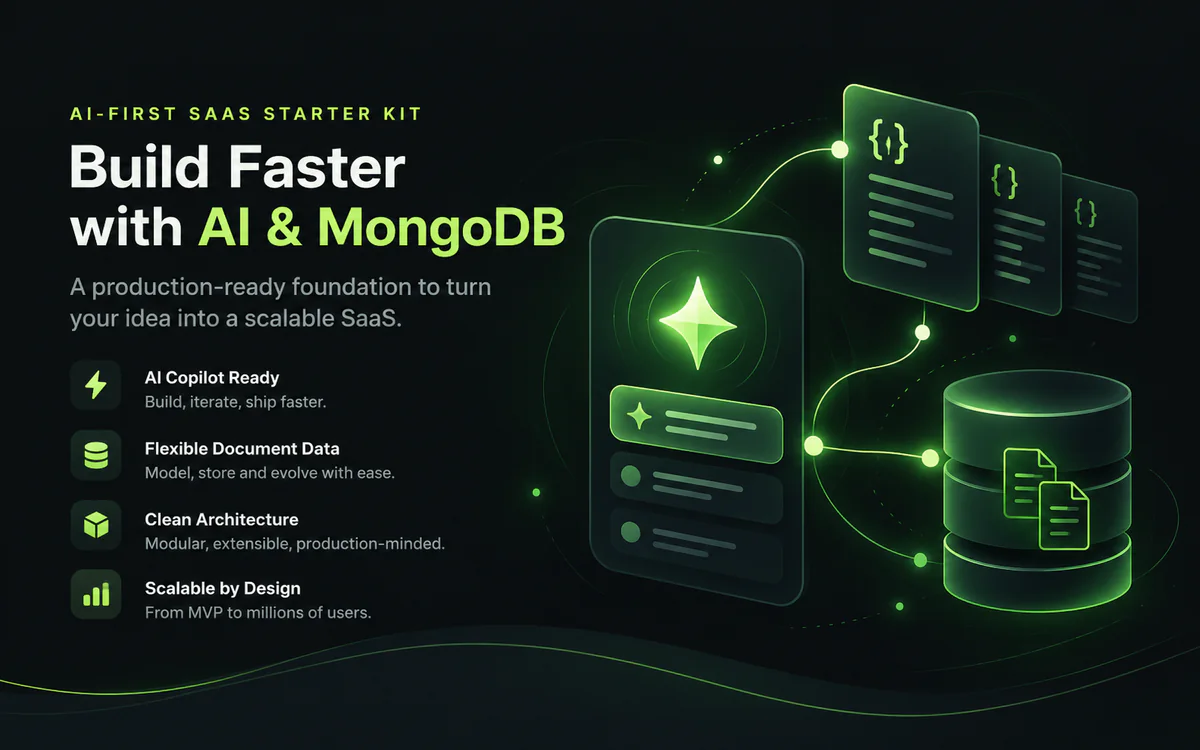
nextjs · boilerplate
Base AI-first white-label para lanzar productos SaaS con Next.js, chat, RAG, memoria, tenants y documentación. El snapshot verificado documenta Supabase, no MongoDB; la limitación está explícita. MongoDB, Redis y RabbitMQ requieren una integración/configuración compatible.
Ver producto
nextjs · boilerplate
Edición avanzada de una base white-label y multi-tenant AI-first para acelerar productos con Next.js, chat, RAG, memoria y documentación. El snapshot verificado no demuestra una capa Ultra distinta; la limitación y los cambios de provider, cache y colas quedan transparentes.
Ver producto
nextjs · boilerplate
Base white-label y multi-tenant para convertir una idea en un SaaS AI-first con Next.js, chat, RAG, memoria y seguridad documentada. El snapshot verificado usa Supabase; el nombre identifica el repositorio de origen. Los límites de provider, cache y colas son explícitos; Redis y RabbitMQ son integraciones configurables.
Ver producto
react · portfolio
Una contribución única para apoyar contenido técnico gratuito, investigación y la continuidad de proyectos relevantes publicados por Anderson Lima. Tú eliges el valor; no es una suscripción.
Ver producto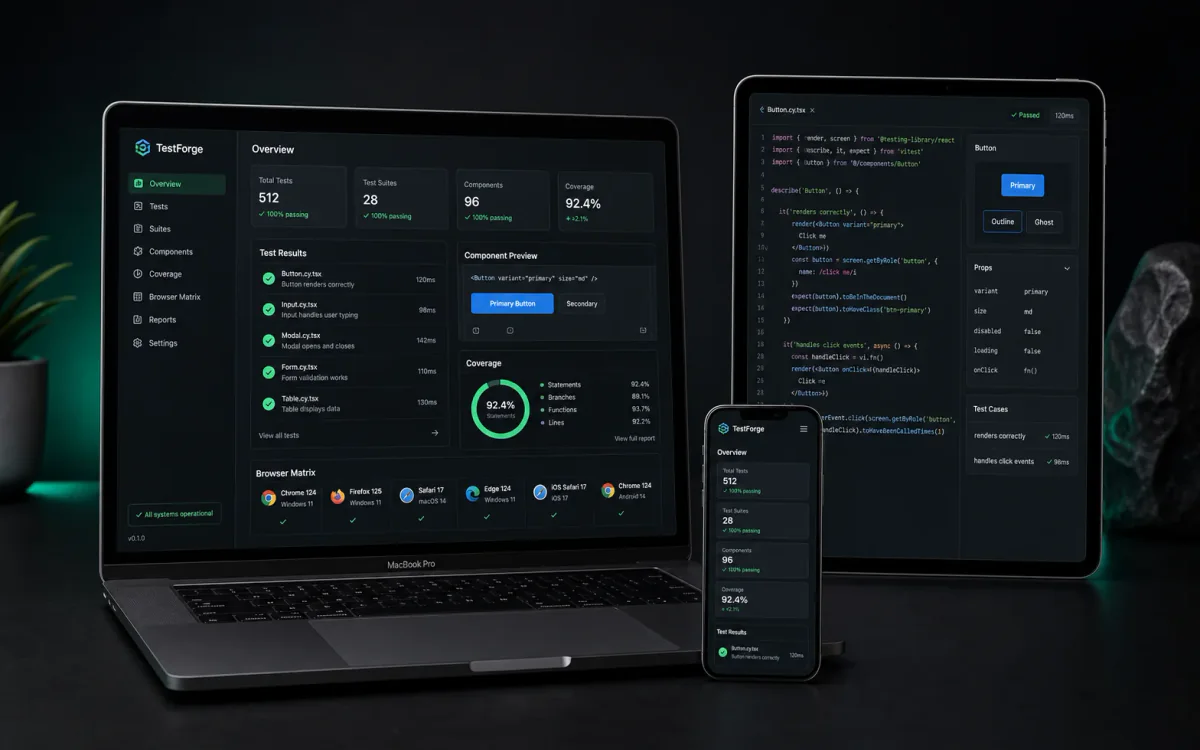
react · boilerplate
Starter React gratuito para crear una suite de pruebas confiable desde el primer commit con Vitest, Testing Library, Playwright, Vite, TypeScript, Zustand, React Query, MirageJS y PWA. El repositorio no declara una licencia SPDX; revisa sus términos antes del uso comercial.
Ver producto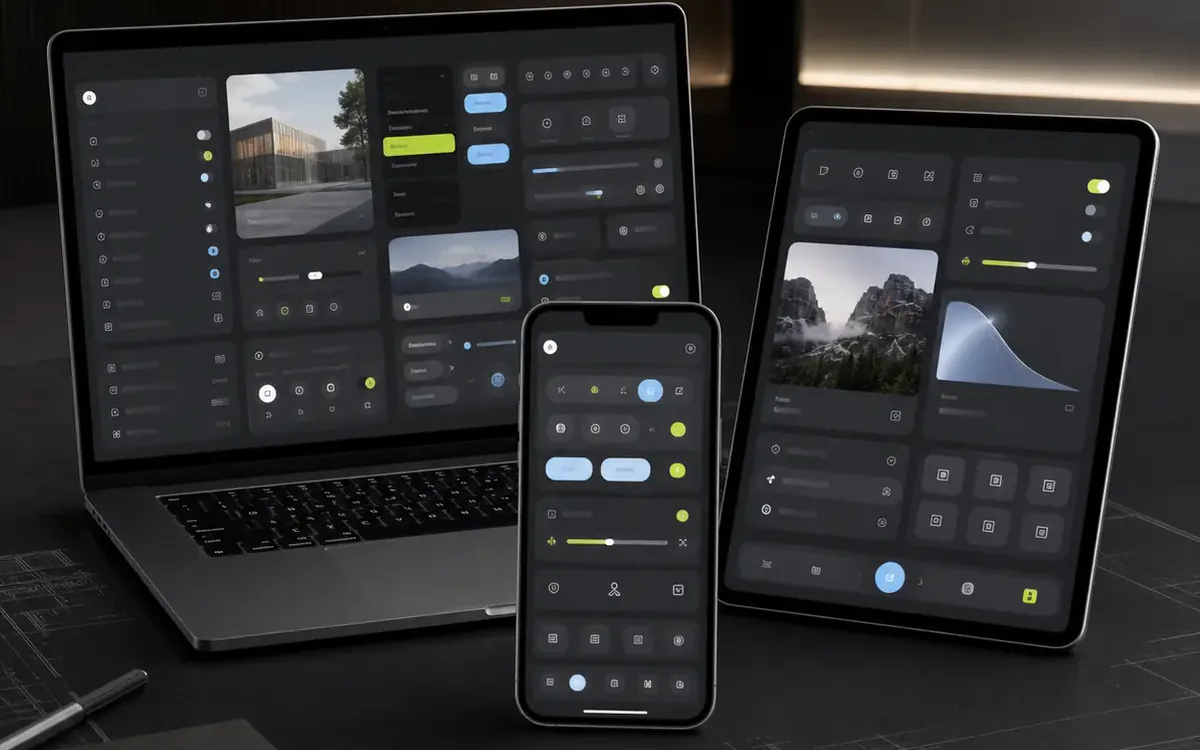
react · portfolio
Monorepo público en React, TypeScript y Vite para explorar una biblioteca de componentes con lenguaje visual inspirado en interfaces nativas. El README actual es breve y no declara una licencia SPDX; trátalo como preview gratuito.
Ver producto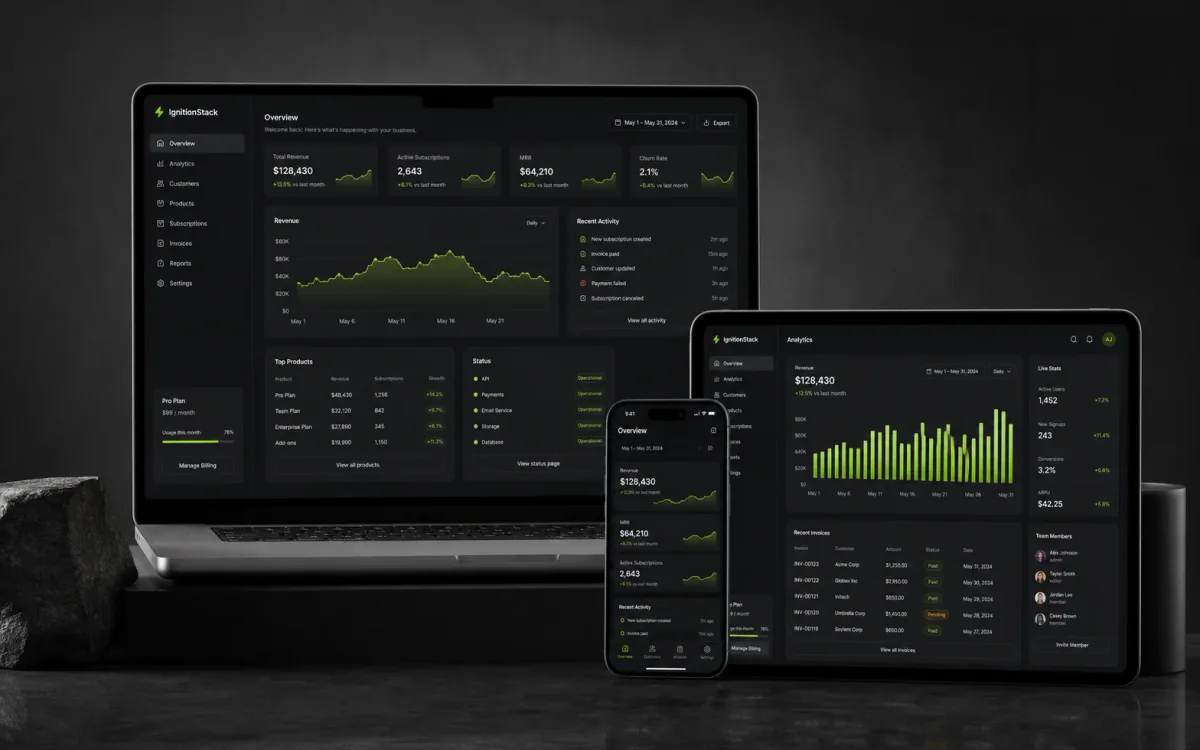
nextjs · saas
Boilerplate SaaS AI-first con Next.js, Supabase, Stripe y provider routing para avanzar desde el primer prompt hasta un despliegue real más rápido. Los cambios de IA, datos, email, cache y colas son explícitos; Redis y RabbitMQ son integraciones configurables.
Ver producto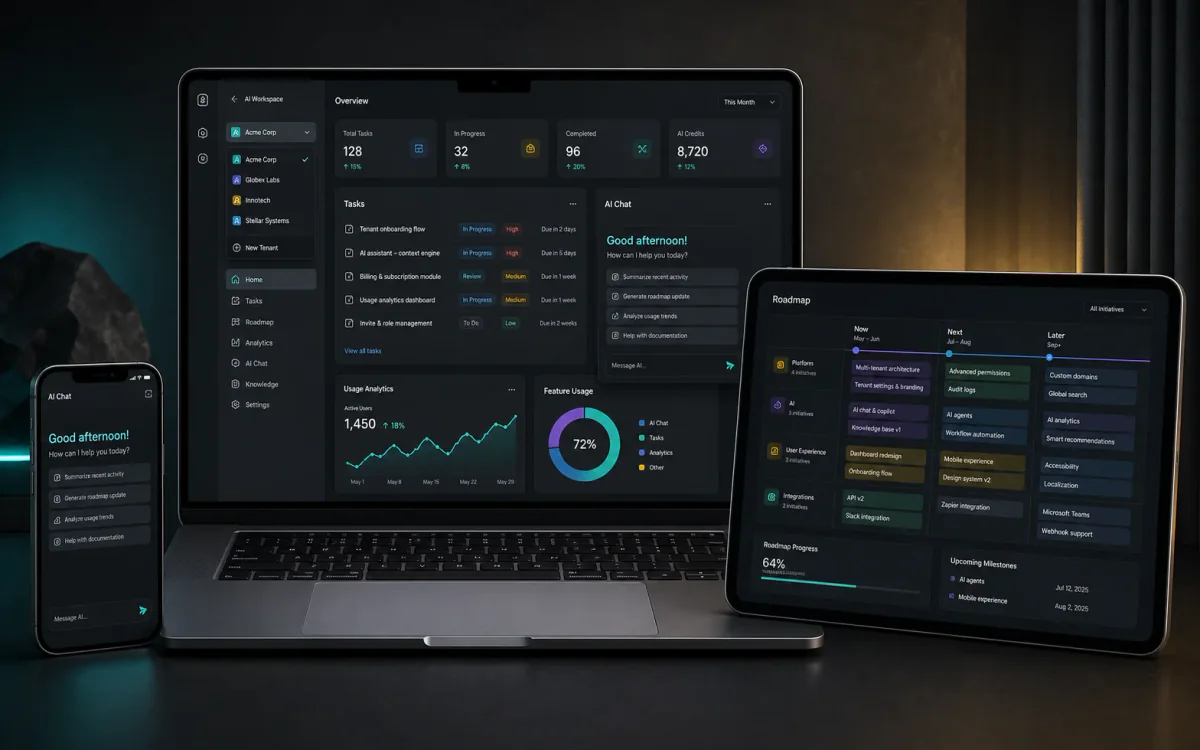
react · saas
Starter React + TypeScript para SaaS multi-tenant con Firebase, Atomic Design, temas, PWA, pantallas de producto, MirageJS y chat Gemini extensible a otros providers. Valida requisitos de producción, costes e integraciones antes de publicar.
Ver producto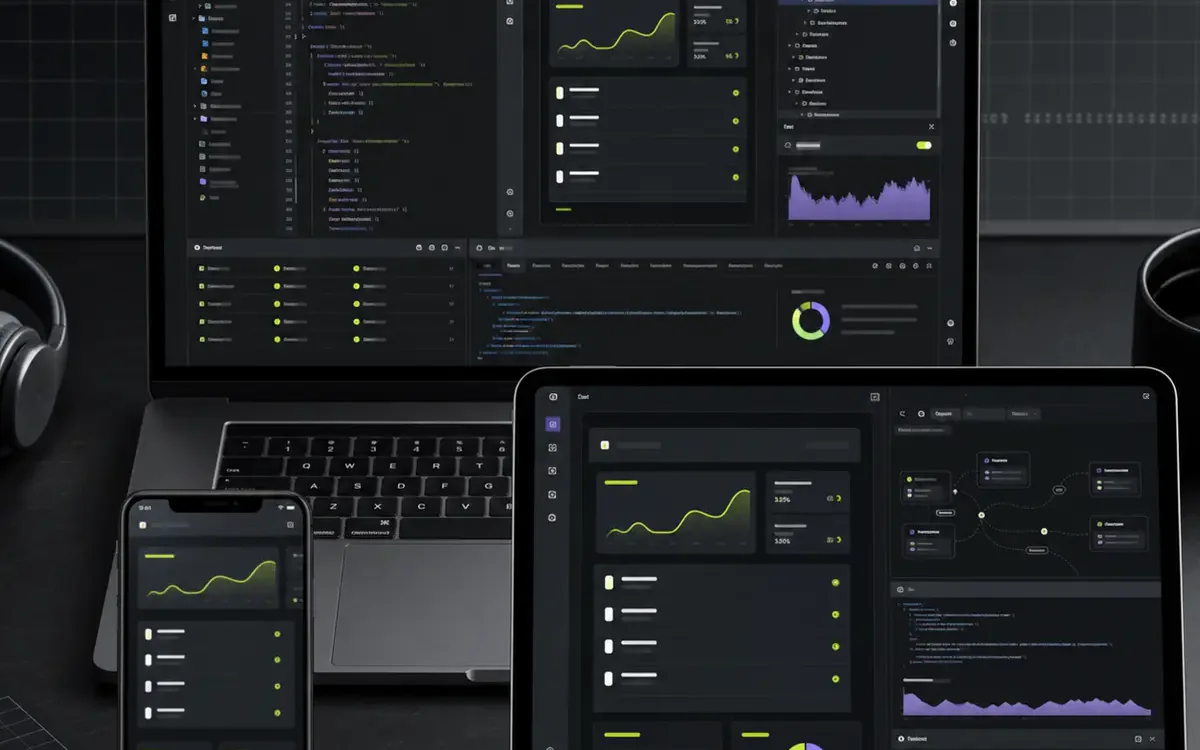
react · boilerplate
Starter React público con TypeScript, Zustand, React Query, Tailwind CSS, PWA e integraciones de IA documentadas. El repositorio no declara una licencia SPDX; revisa sus términos antes del uso comercial.
Ver producto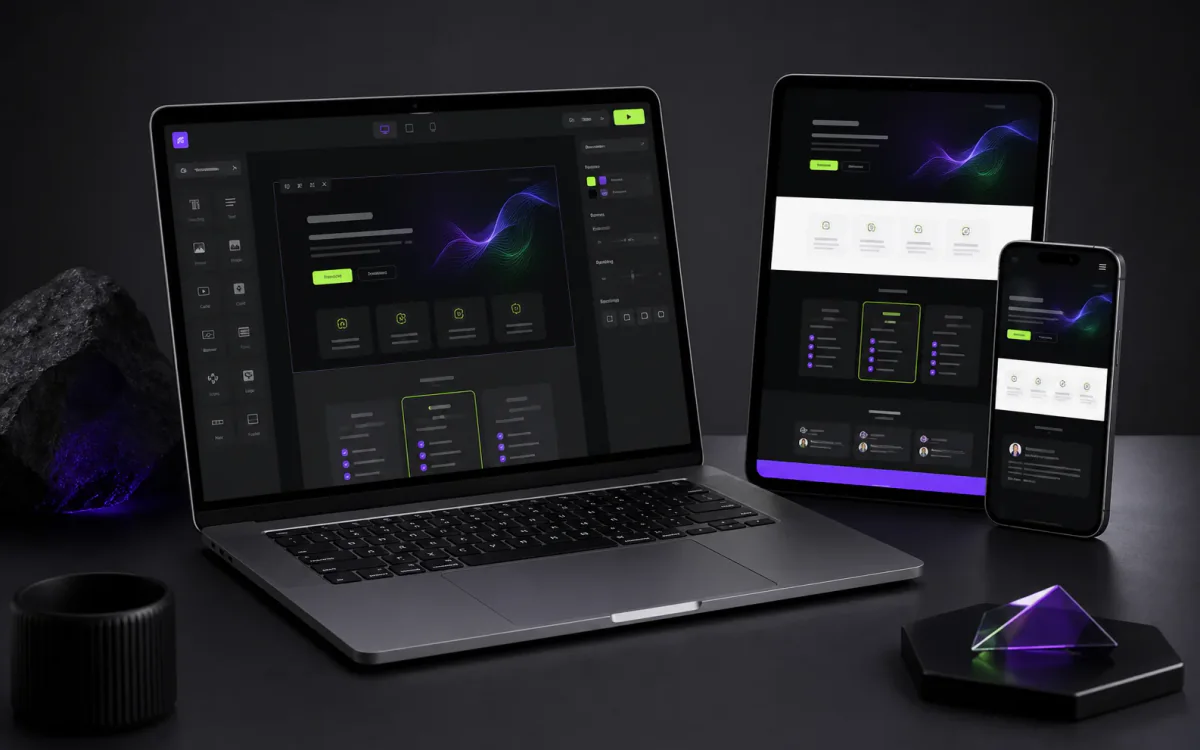
nextjs · saas
Landing SaaS para Next.js, TypeScript y Tailwind CSS con SEO, temas, i18n, PWA y puntos de integración para auth, Stripe e IA. Una base clara para dejar atrás la pantalla en blanco y dar forma a tu propuesta.
Ver productoContinúa explorando temas similares
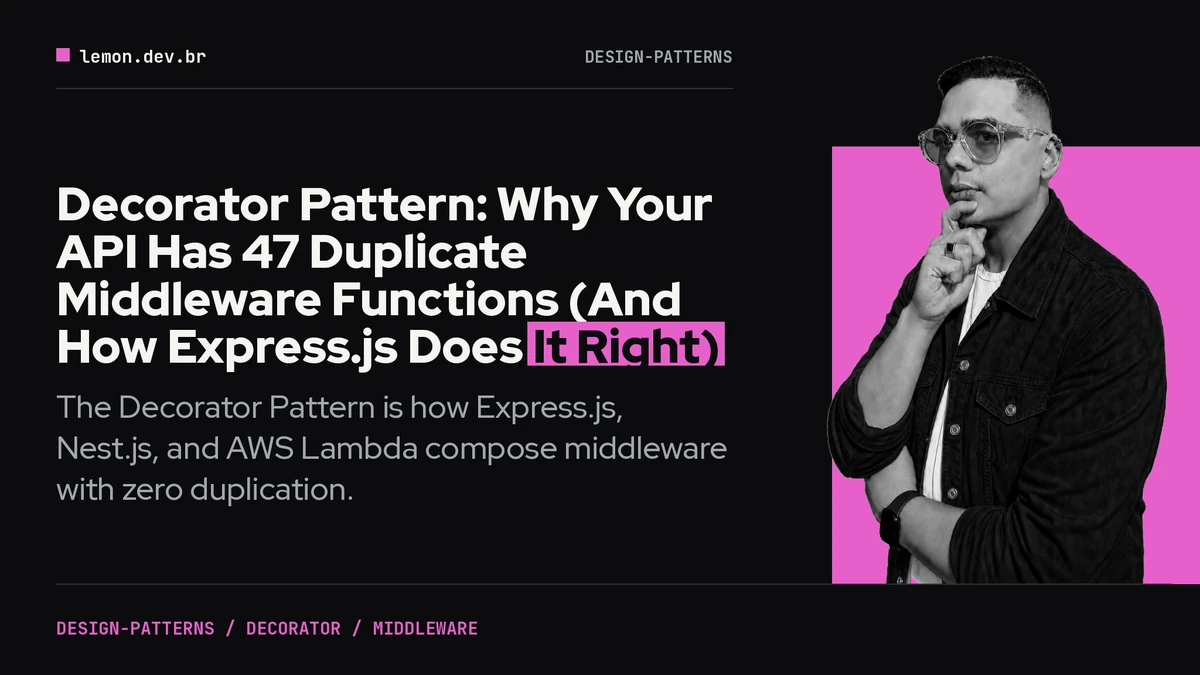
The Decorator Pattern is how Express.js, Nest.js, and AWS Lambda compose middleware with zero duplication.

The Flyweight Pattern is how Figma, Google Maps, and VS Code render millions of objects with minimal memory.
Stop letting legacy code pollute your modern architecture. Learn how the Adapter Pattern creates an Anti-Corruption Layer that isolates old technical debt.
Una lista de 47 puntos para encontrar errores, riesgos de seguridad y problemas de rendimiento antes del lanzamiento.
Templates probados en producción, usados por desarrolladores. Ahorra semanas de setup en tu próximo proyecto.