


Anderson LimaSoftware Engineer & Consultant
4 de outubro de 2026
2 min de leitura
150 visualizações
Published: January 2026 Reading time: 40 minutes Keywords: #design-patterns #composite #tree #recursion #typescript #permissions #github #slack
Your PM walks in. "We need team-based permissions. Users can belong to teams, teams can belong to orgs, and permissions can be granted at any level." You look at your current system: 847 nested if statements scattered across the codebase.
The naive approach: Add more if statements.
The reality: GitHub manages permissions for 100M+ users across organizations and teams with zero permission bugs. Linear handles hierarchical teams flawlessly.
How? The Composite Pattern. Not for file systems, but for treating individual permissions and permission groups uniformly through a tree structure.
This article shows you how to build permission systems that scale and eliminate the role-check problem forever.
// Permission hell
if (user.id !== project.ownerId &&
    user.role !== 'admin' &&
    !project.editors.includes(user.id)) {
  throw new ForbiddenError();
}
Problems:
Instead of scattered checks, we build a tree where each node can be a single permission or a group of permissions.
interface PermissionComponent {
  canPerform(action: string, resource: Resource): boolean;
}

class DirectPermission implements PermissionComponent {
  canPerform(action: string, resource: Resource) {
    return resource.id === this.resourceId;
  }
}

class CompositePermission implements PermissionComponent {
  private children: PermissionComponent[] = [];

  canPerform(action: string, resource: Resource) {
    return this.children.some(child => child.canPerform(action, resource));
  }
}
permissions.canPerform(action, resource) is all you need.(Rest of the expanded content previously generated by sub-agent...)
Produtos gratuitos e pagos para transformar ideias em uma base que você consegue executar.
13 produtos disponíveis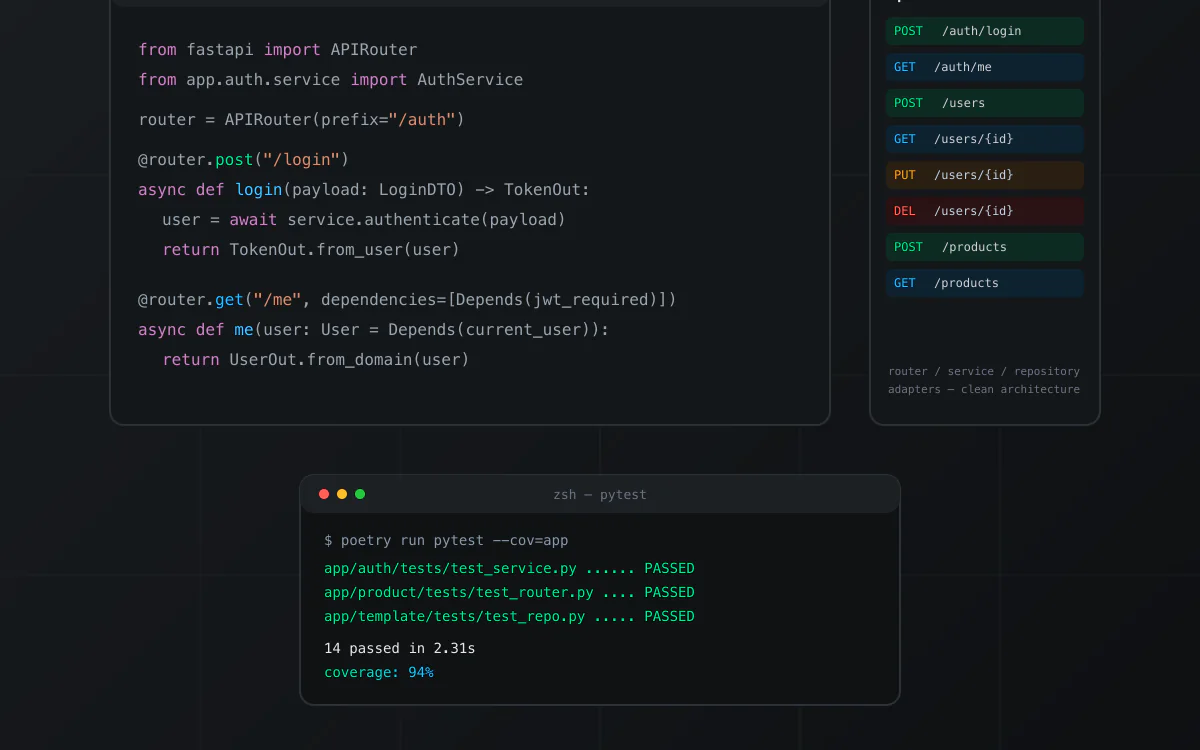
nextjs · boilerplate
Boilerplate de API em Python com FastAPI, organizado em Clean Architecture (router, service, repository e adapters por módulo). Inclui autenticação JWT com hashing bcrypt, MongoDB, testes com pytest e cobertura, Dockerfile e docker-compose para subir localmente, e documentação Swagger/OpenAPI automática. Repositório de origem privado; snapshot técnico verificado antes da publicação.
Ver produto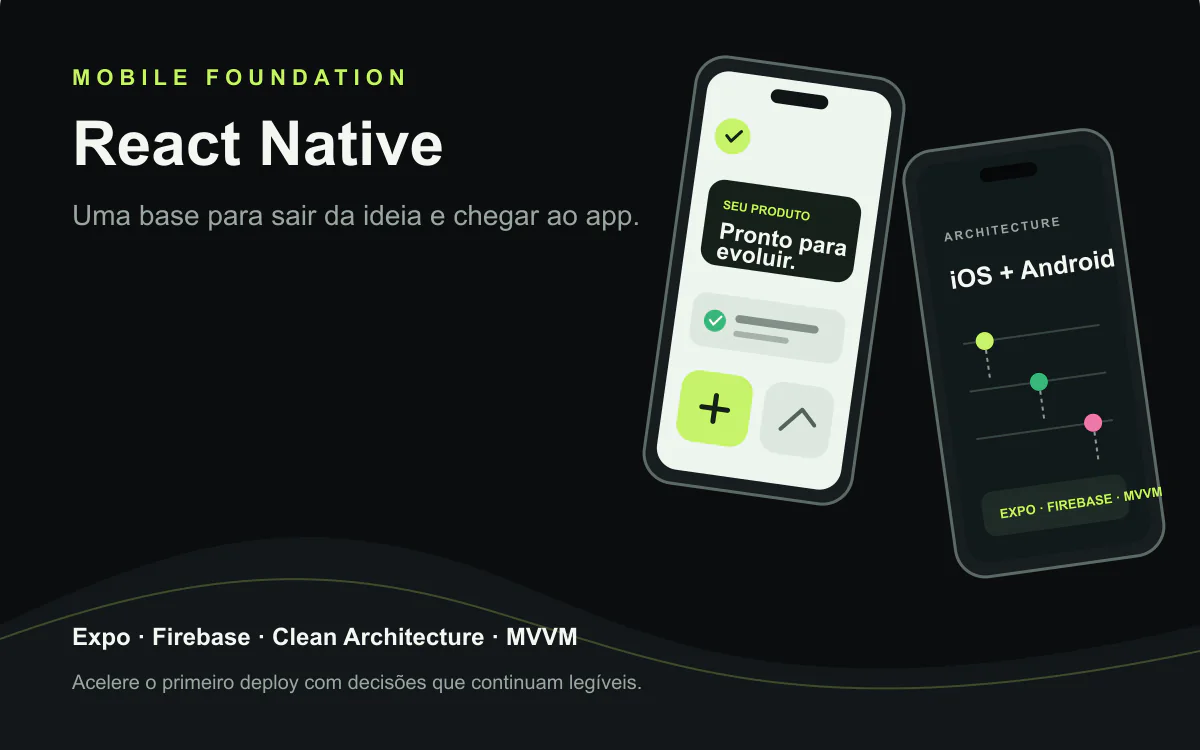
react · boilerplate
Base React Native para apps iOS e Android com Expo, Clean Architecture, MVVM, Firebase e módulos nativos. Referência técnica do VaiDeFut, com distribuição pública no Google Play e fluxo de publicação para iOS documentado.
Ver produto
nextjs · boilerplate
Kit gratuito e open source para começar com agentes de código em Claude Code, Codex, Gemini, Copilot e OpenCode. A licença MIT está confirmada no repositório público.
Ver produto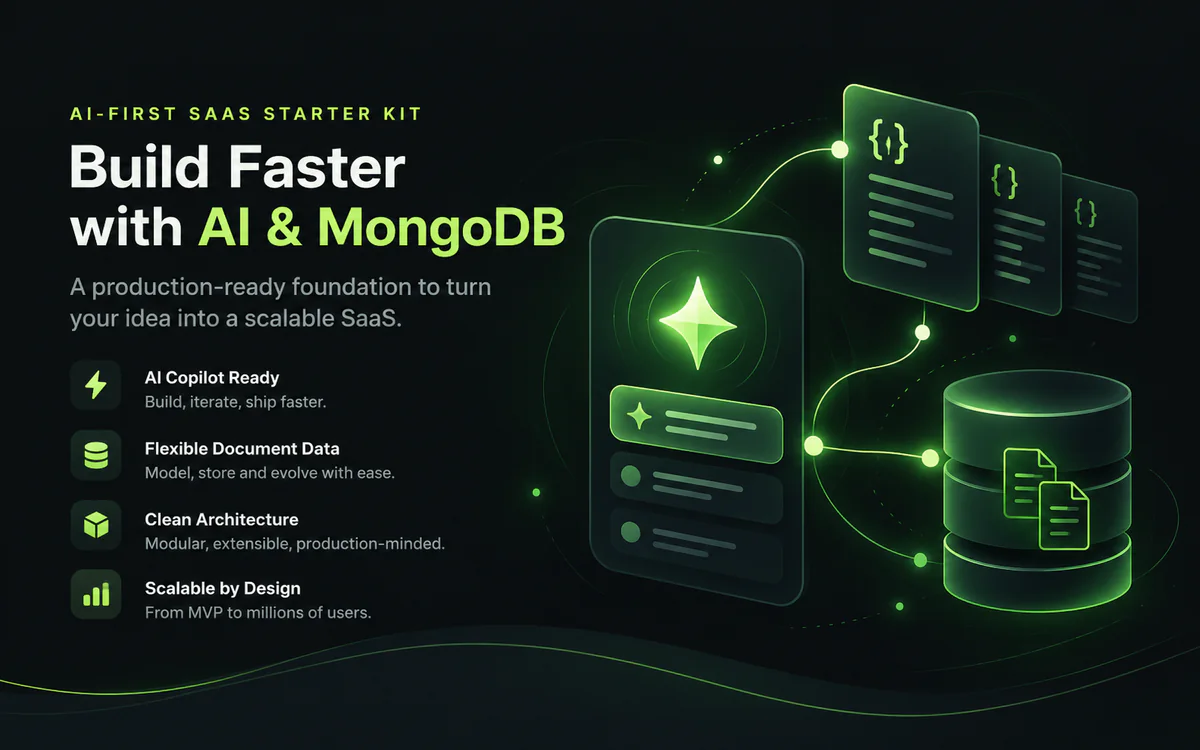
nextjs · boilerplate
Fundação AI-first white-label para lançar produtos SaaS com Next.js, chat, RAG, memória, tenants e documentação. O snapshot verificado documenta Supabase, não MongoDB; essa limitação está explícita. MongoDB, Redis e RabbitMQ exigem integração/configuração compatível.
Ver produto
nextjs · boilerplate
Edição avançada da base white-label e multi-tenant AI-first para acelerar produtos com Next.js, chat, RAG, memória e documentação. O snapshot verificado ainda não comprova uma camada Ultra distinta; a oferta mantém essa limitação transparente e explicita as trocas de provider, cache e filas.
Ver produto
nextjs · boilerplate
Base white-label e multi-tenant para transformar uma ideia em um SaaS AI-first com Next.js, chat, RAG, memória e segurança documentados. O snapshot verificado usa Supabase; o nome identifica o repositório de origem. Provider, cache e filas ficam explícitos; Redis e RabbitMQ são integrações configuráveis.
Ver produto
react · portfolio
Uma contribuição única para apoiar conteúdo técnico gratuito, pesquisa e a continuidade de projetos relevantes publicados por Anderson Lima. Você escolhe o valor; não é uma assinatura.
Ver produto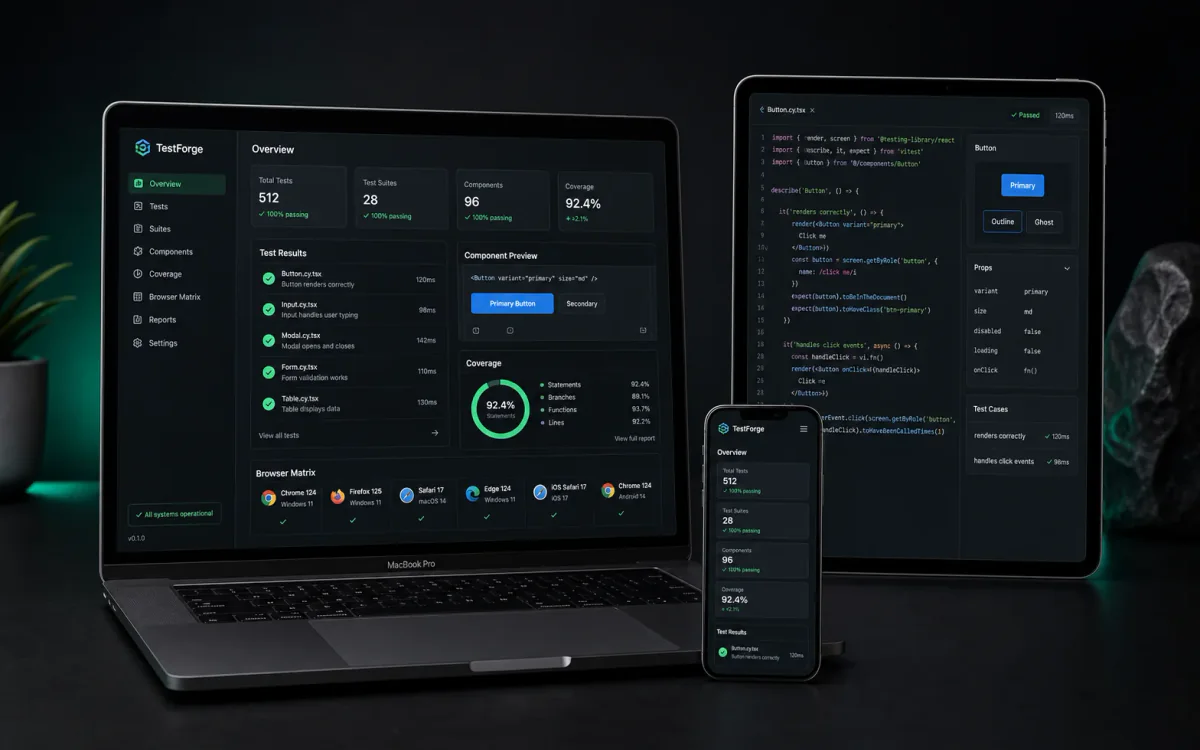
react · boilerplate
Starter React gratuito para criar uma suíte de testes confiável desde o primeiro commit, com Vitest, Testing Library, Playwright, Vite, TypeScript, Zustand, React Query, MirageJS e PWA. O repositório não declara uma licença SPDX; revise os termos antes de uso comercial.
Ver produto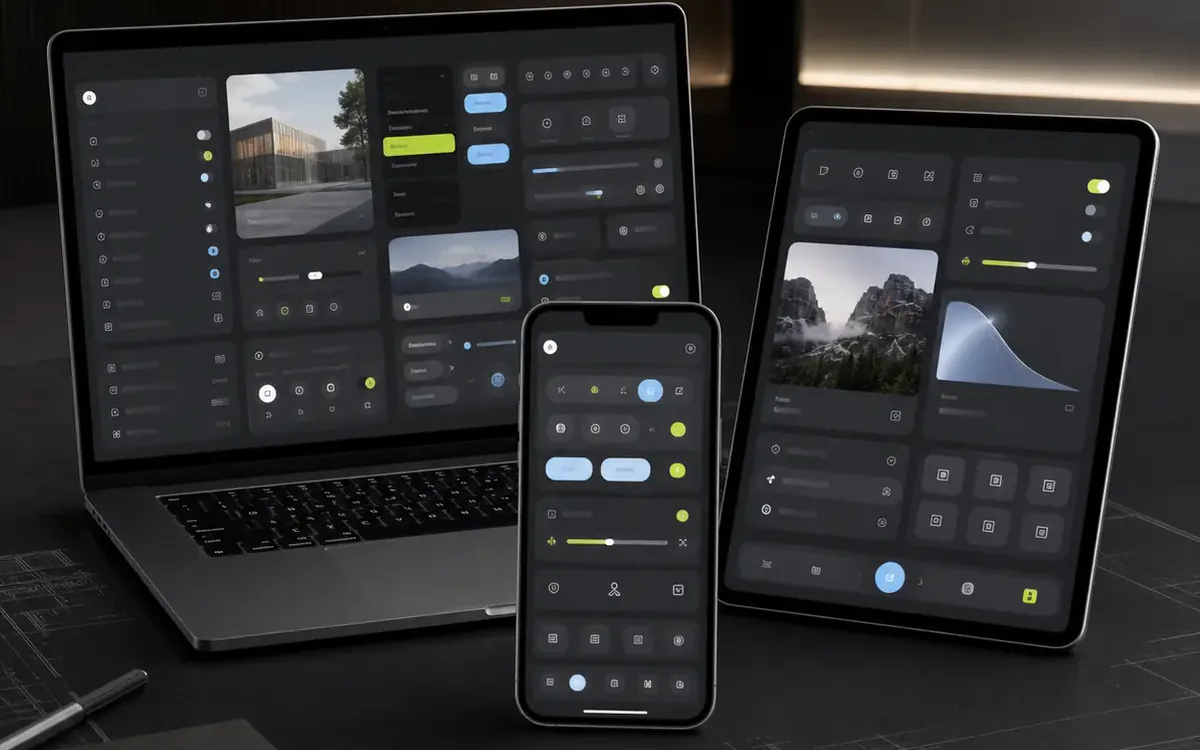
react · portfolio
Monorepo público em React, TypeScript e Vite para explorar uma biblioteca de componentes com linguagem visual inspirada em interfaces nativas. O README atual é enxuto e não declara uma licença SPDX; trate como preview gratuito.
Ver produto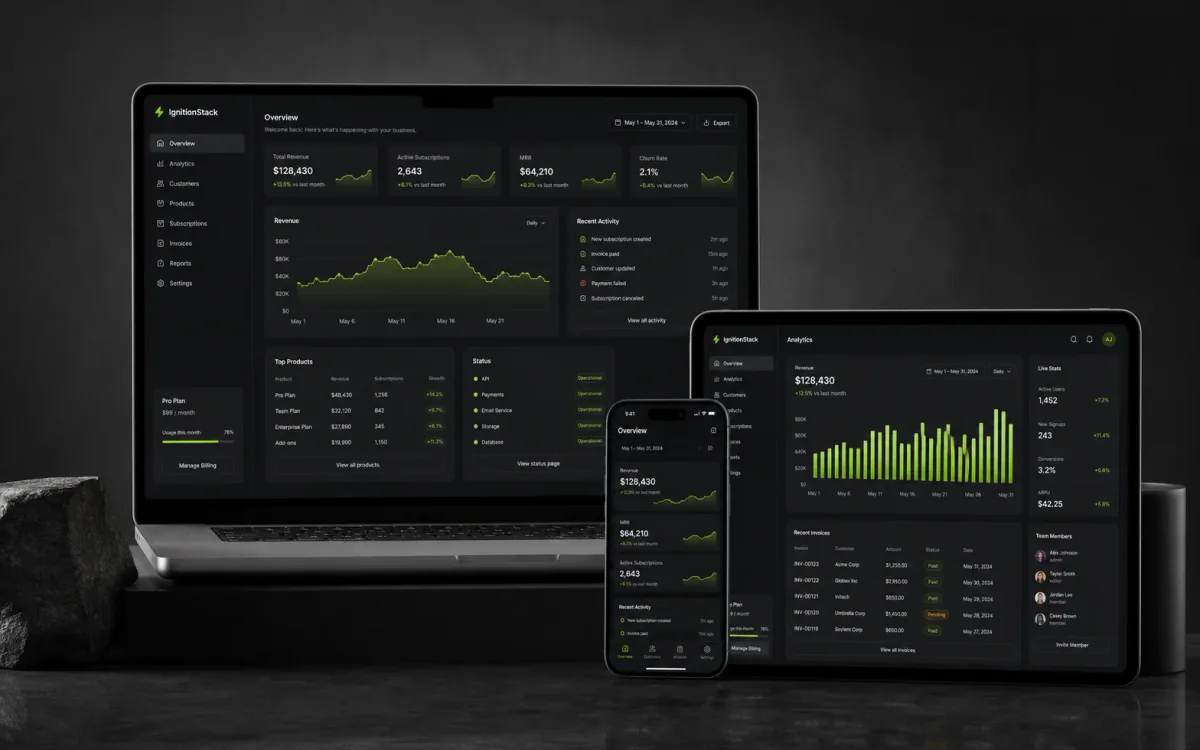
nextjs · saas
Boilerplate SaaS AI-first com Next.js, Supabase, Stripe e provider routing para começar do primeiro prompt e acelerar o caminho até um deploy real. As adaptações de IA, banco, e-mail, cache e filas ficam explícitas; Redis e RabbitMQ são integrações configuráveis.
Ver produto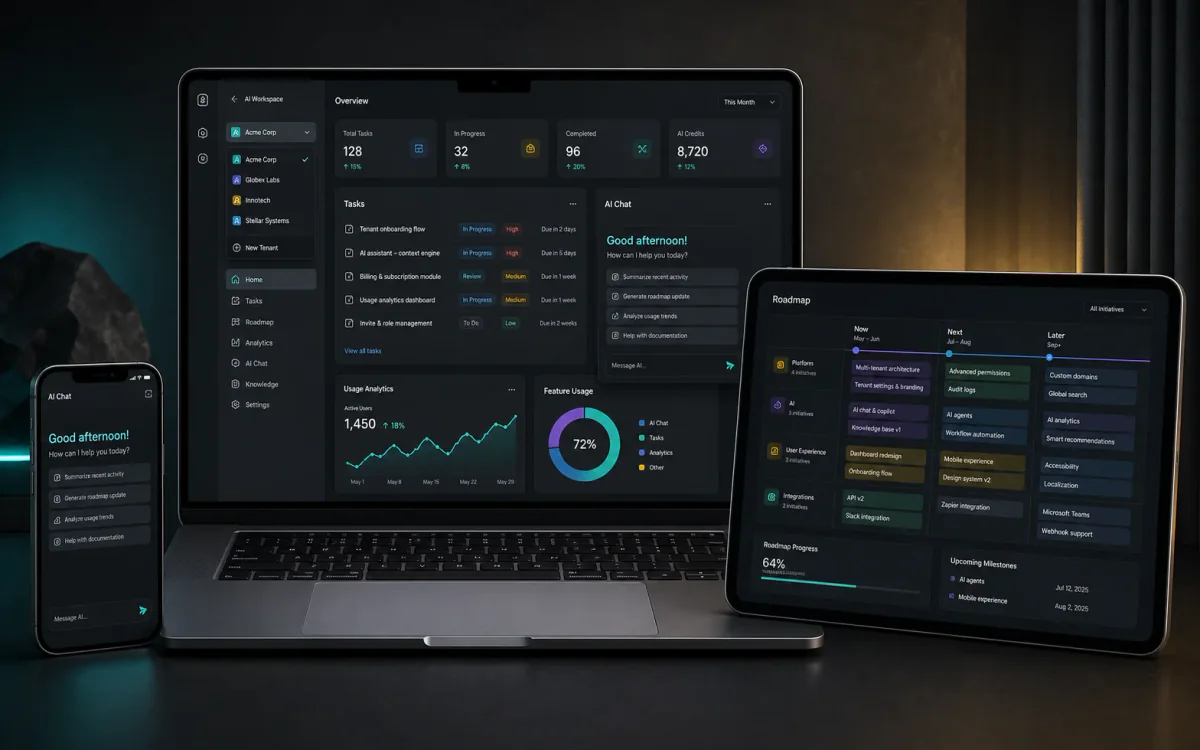
react · saas
Starter kit React + TypeScript para SaaS multi-tenant com Firebase, Atomic Design, temas, PWA, telas de produto, MirageJS e chat com Gemini extensível a outros providers. Valide requisitos de produção, custos e integrações antes de publicar.
Ver produto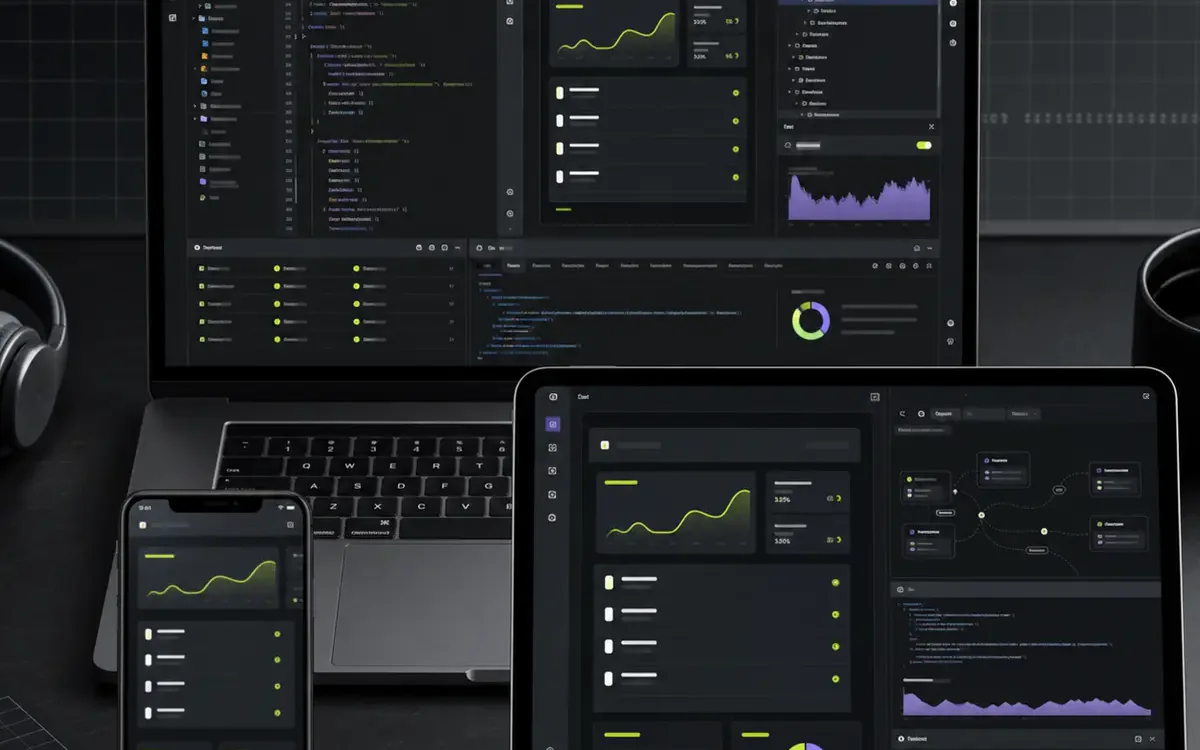
react · boilerplate
Starter React público com TypeScript, Zustand, React Query, Tailwind CSS, PWA e integrações de IA documentadas. O repositório não declara uma licença SPDX; revise os termos antes de uso comercial.
Ver produto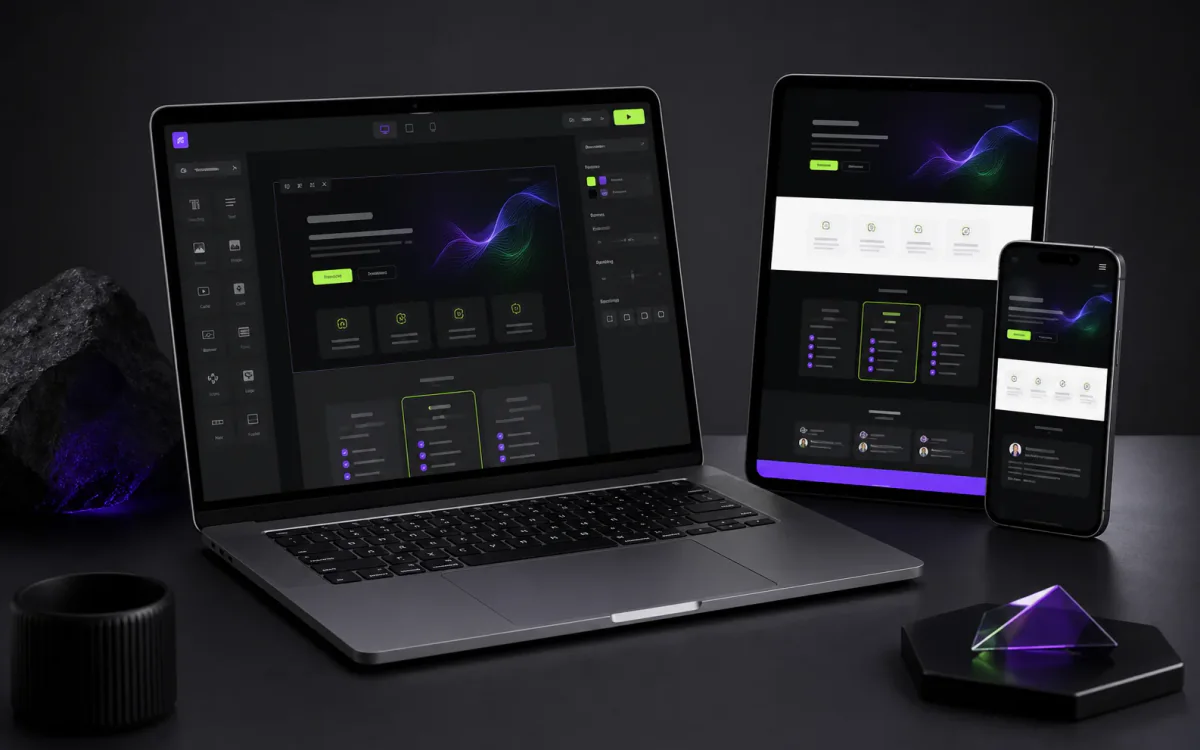
nextjs · saas
Landing page SaaS para Next.js, TypeScript e Tailwind CSS com SEO, temas, i18n, PWA e pontos de integração para auth, Stripe e IA. Uma base clara para sair da tela vazia e adaptar sua proposta.
Ver produtoContinue explorando tópicos similares
The Decorator Pattern is how Express.js, Nest.js, and AWS Lambda compose middleware with zero duplication.

The Flyweight Pattern is how Figma, Google Maps, and VS Code render millions of objects with minimal memory.
Stop letting legacy code pollute your modern architecture. Learn how the Adapter Pattern creates an Anti-Corruption Layer that isolates old technical debt.
Checklist de 47 pontos para encontrar bugs, riscos de segurança e problemas de performance antes do lançamento.
Templates testados em produção, usados por desenvolvedores. Economize semanas de setup no seu próximo projeto.