

Anderson LimaSoftware Engineer & Consultant
4 de outubro de 2026
2 min de leitura
20 visualizações
Stop letting legacy code pollute your modern architecture. Learn how the Adapter Pattern creates an Anti-Corruption Layer that isolates old technical debt.
Published: January 2026 Reading time: 45 minutes Keywords: #adapter-pattern #legacy-systems #anti-corruption-layer #architecture #clean-code #refactoring #typescript #fintech
You’re building a sleek, modern React and Node.js application. But there’s a catch: you have to integrate with a 1998 COBOL banking system. If you let this legacy logic bleed into your modern controllers, your "clean" app will be a mess in six months. This is Legacy Contamination.
The Adapter Pattern (and its bigger brother, the Anti-Corruption Layer) is your shield. It allows you to wrap the "ugly" legacy API in a "beautiful" modern interface. Your code thinks it’s talking to a modern service, while the adapter handles the XML, FTP, and weird error codes behind the scenes.
Imagine your CheckoutService has to handle the COBOL system directly:
// ❌ The Infected Architecture
class CheckoutService {
  async process(order: Order) {
    // 15 lines of XML construction logic...
    // 10 lines of FTP connection handling...
    // 20 lines of manual error mapping

    // Modern business logic is buried!
    this.sendConfirmationEmail(order);
  }
}
interface ModernPaymentGateway {
  charge(amount: number): Promise<PaymentResult>;
}
class BankAdapter implements ModernPaymentGateway {
  constructor(private legacy: OldBankSystem) {}

  async charge(amount: number) {
    const xml = `<AMT>${amount}</AMT>`;
    const response = this.legacy.send_data_xml(xml);

    if (response === 'OK') return { success: true };
    throw new Error('Payment Failed');
  }
}
(Rest of the expanded content previously generated by sub-agent...)
Produtos gratuitos e pagos para transformar ideias em uma base que você consegue executar.
13 produtos disponíveis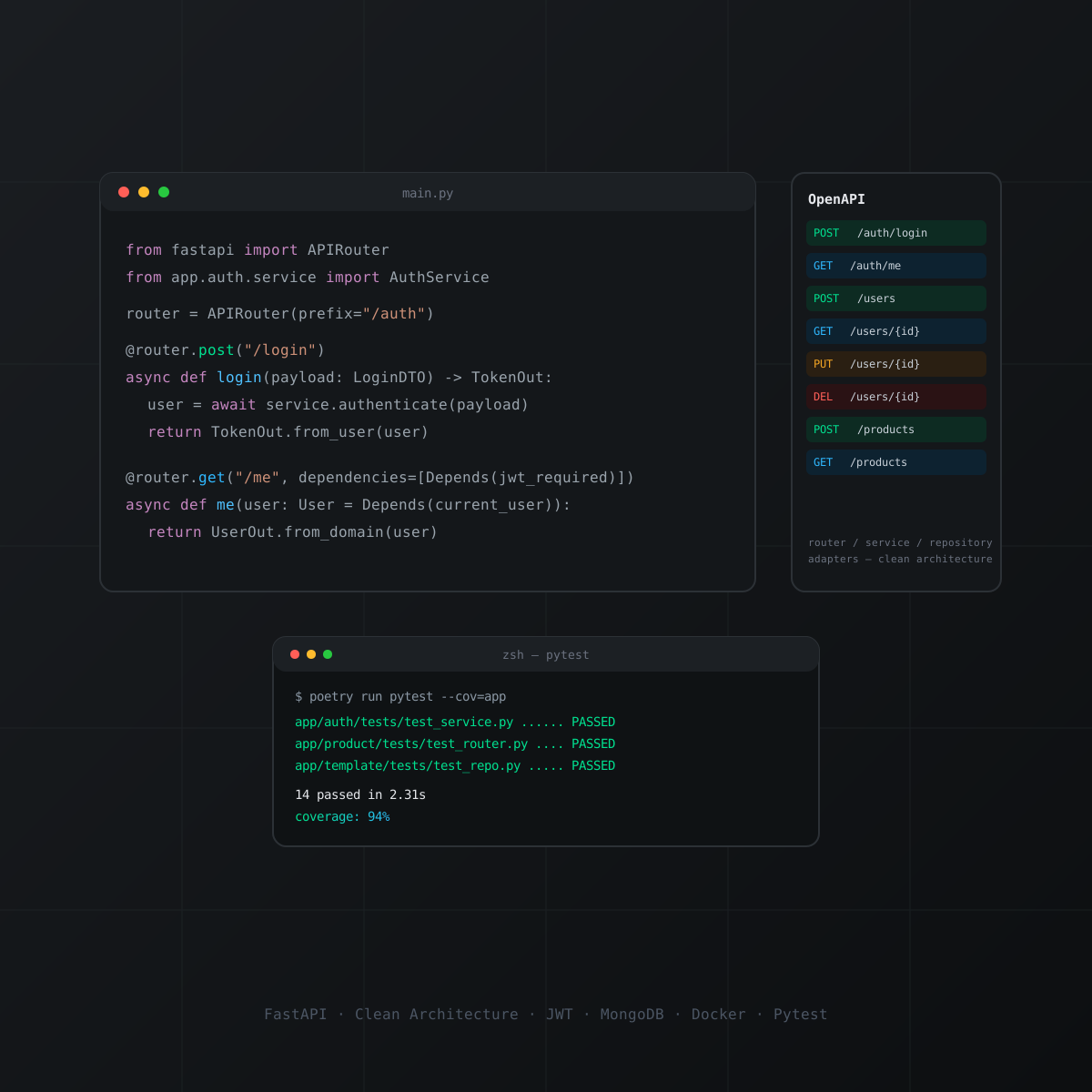
nextjs · boilerplate
Boilerplate de API em Python com FastAPI, organizado em Clean Architecture (router, service, repository e adapters por módulo). Inclui autenticação JWT com hashing bcrypt, MongoDB, testes com pytest e cobertura, Dockerfile e docker-compose para subir localmente, e documentação Swagger/OpenAPI automática. Repositório de origem privado; snapshot técnico verificado antes da publicação.
Ver produto
react · boilerplate
Base React Native para apps iOS e Android com Expo, Clean Architecture, MVVM, Firebase e módulos nativos. Referência técnica do VaiDeFut, com distribuição pública no Google Play e fluxo de publicação para iOS documentado.
Ver produto
nextjs · boilerplate
Kit gratuito e open source para começar com agentes de código em Claude Code, Codex, Gemini, Copilot e OpenCode. A licença MIT está confirmada no repositório público.
Ver produto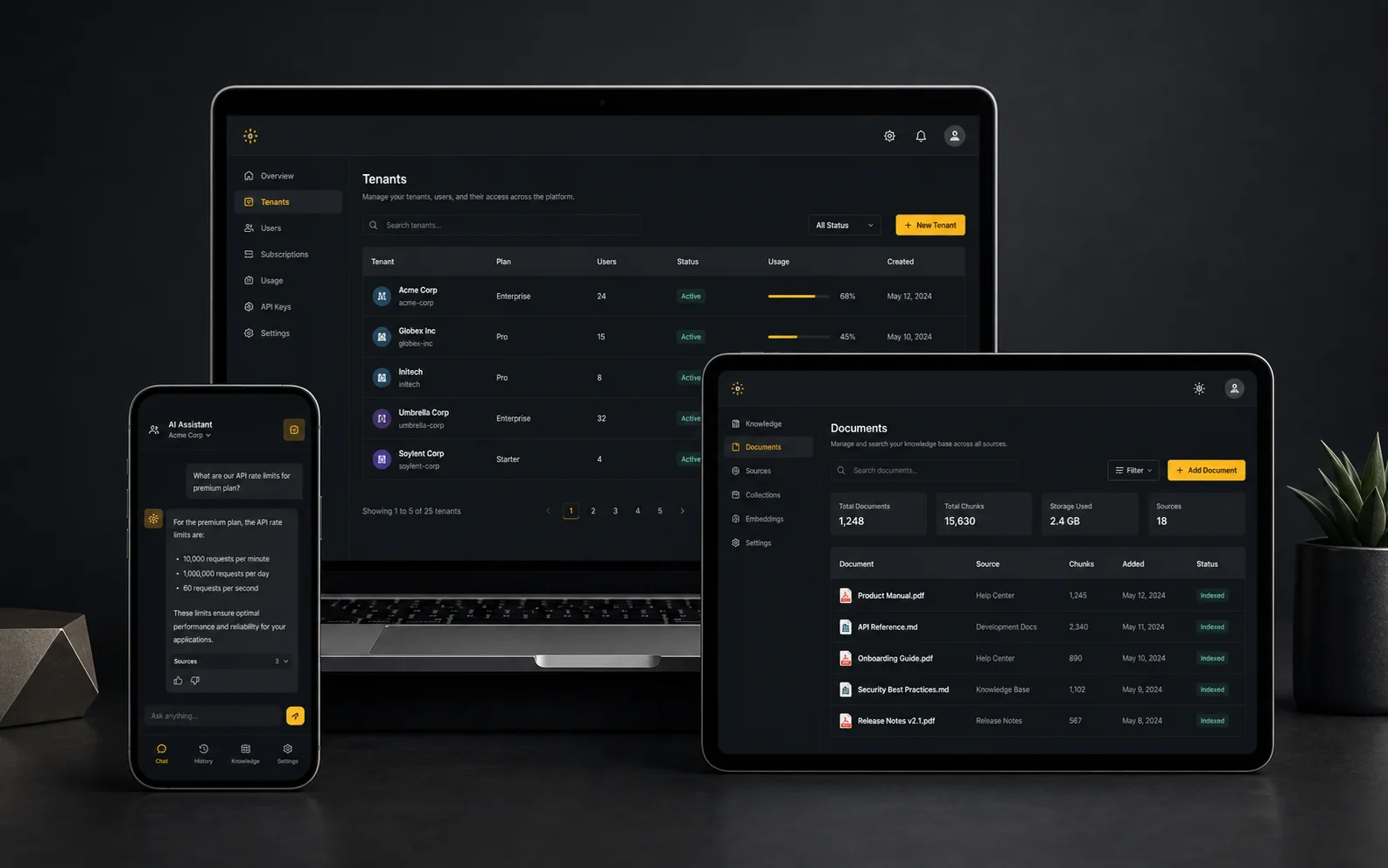
nextjs · boilerplate
Fundação AI-first white-label para lançar produtos SaaS com Next.js, chat, RAG, memória, tenants e documentação. O snapshot verificado documenta Supabase, não MongoDB; essa limitação está explícita. MongoDB, Redis e RabbitMQ exigem integração/configuração compatível.
Ver produtonextjs · boilerplate
Edição avançada da base white-label e multi-tenant AI-first para acelerar produtos com Next.js, chat, RAG, memória e documentação. O snapshot verificado ainda não comprova uma camada Ultra distinta; a oferta mantém essa limitação transparente e explicita as trocas de provider, cache e filas.
Ver produtonextjs · boilerplate
Base white-label e multi-tenant para transformar uma ideia em um SaaS AI-first com Next.js, chat, RAG, memória e segurança documentados. O snapshot verificado usa Supabase; o nome identifica o repositório de origem. Provider, cache e filas ficam explícitos; Redis e RabbitMQ são integrações configuráveis.
Ver produto
react · portfolio
Uma contribuição única para apoiar conteúdo técnico gratuito, pesquisa e a continuidade de projetos relevantes publicados por Anderson Lima. Você escolhe o valor; não é uma assinatura.
Ver produto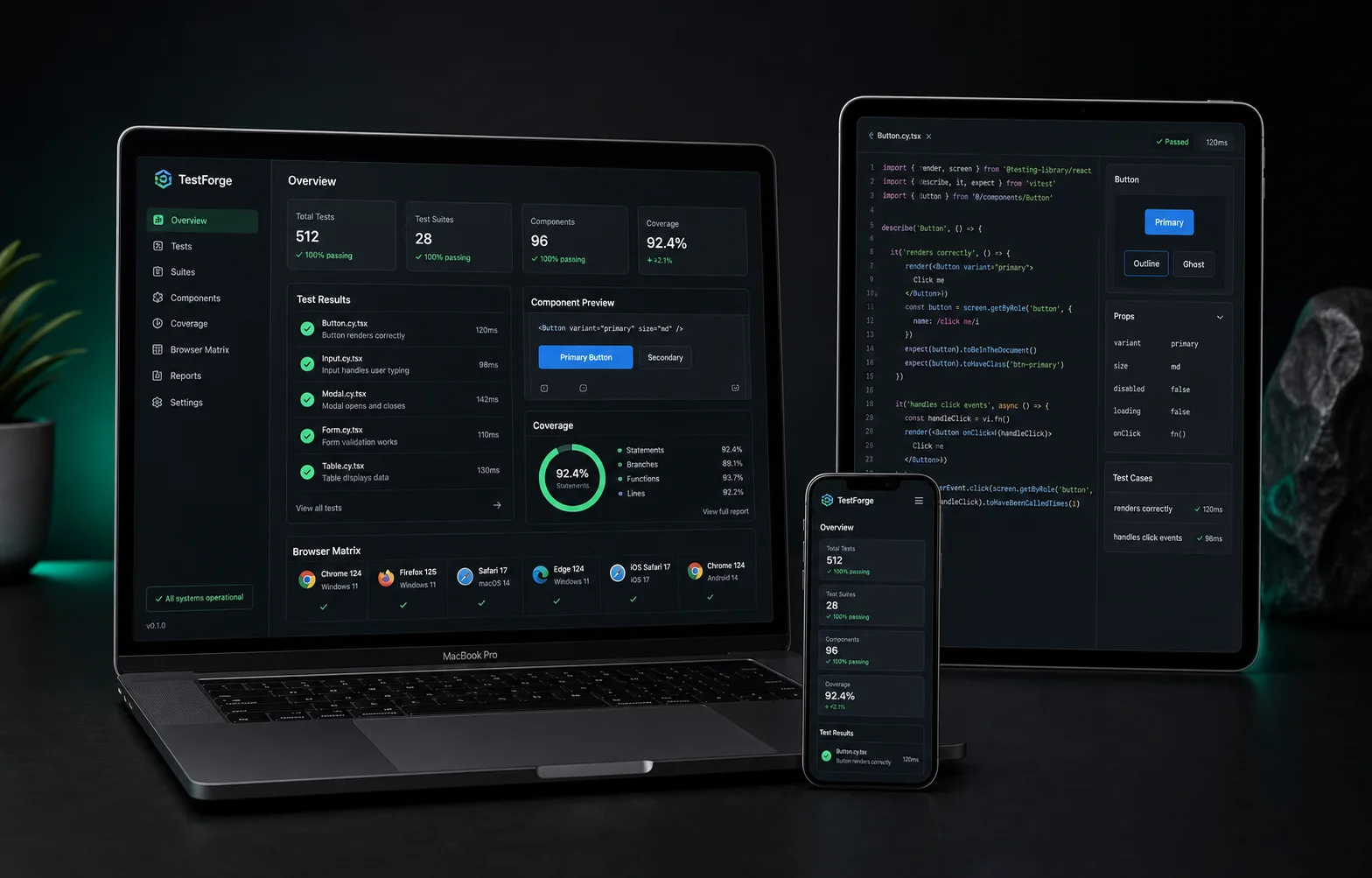
react · boilerplate
Starter React gratuito para criar uma suíte de testes confiável desde o primeiro commit, com Vitest, Testing Library, Playwright, Vite, TypeScript, Zustand, React Query, MirageJS e PWA. O repositório não declara uma licença SPDX; revise os termos antes de uso comercial.
Ver produto
react · portfolio
Monorepo público em React, TypeScript e Vite para explorar uma biblioteca de componentes com linguagem visual inspirada em interfaces nativas. O README atual é enxuto e não declara uma licença SPDX; trate como preview gratuito.
Ver produto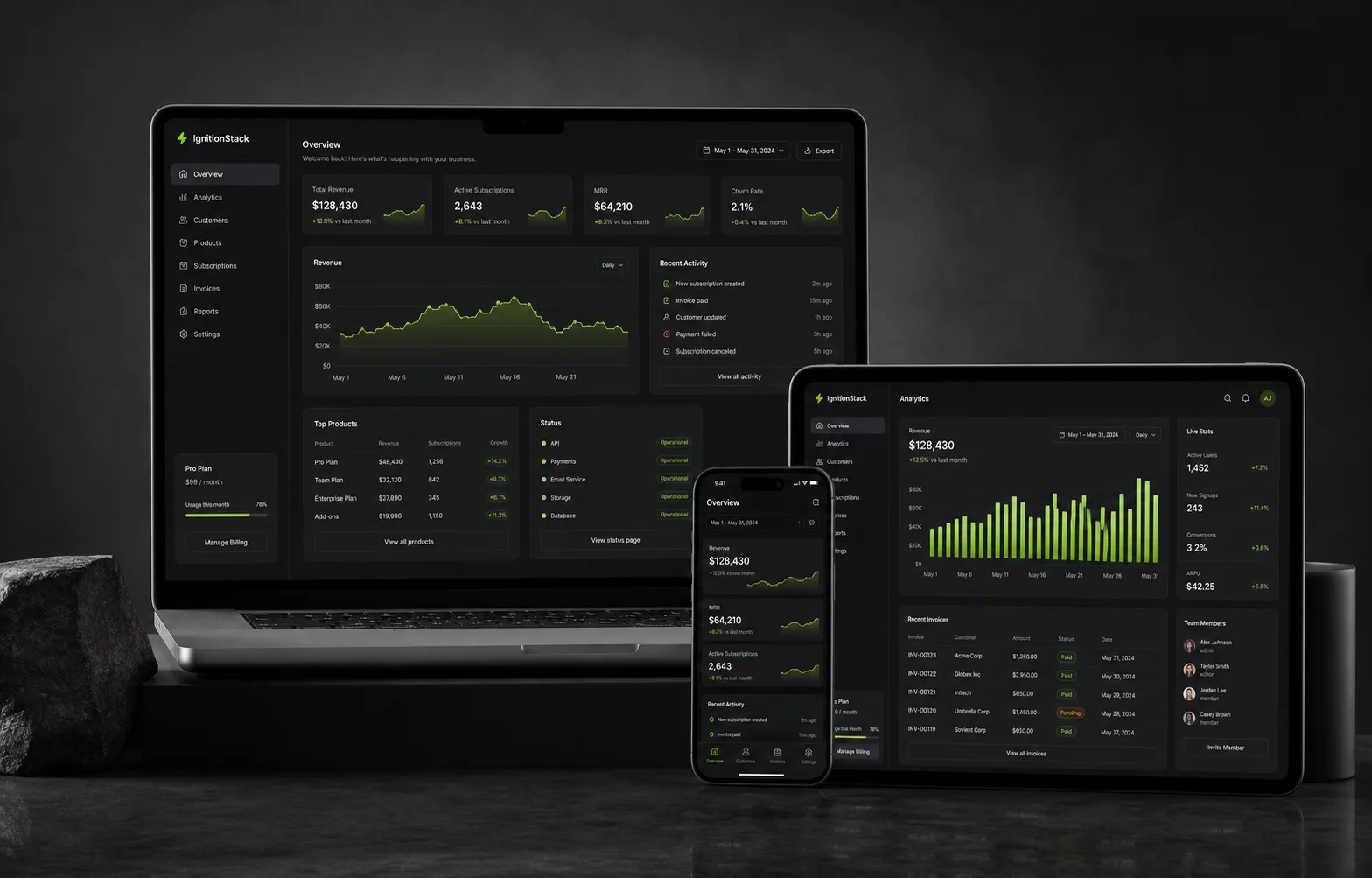
nextjs · saas
Boilerplate SaaS AI-first com Next.js, Supabase, Stripe e provider routing para começar do primeiro prompt e acelerar o caminho até um deploy real. As adaptações de IA, banco, e-mail, cache e filas ficam explícitas; Redis e RabbitMQ são integrações configuráveis.
Ver produto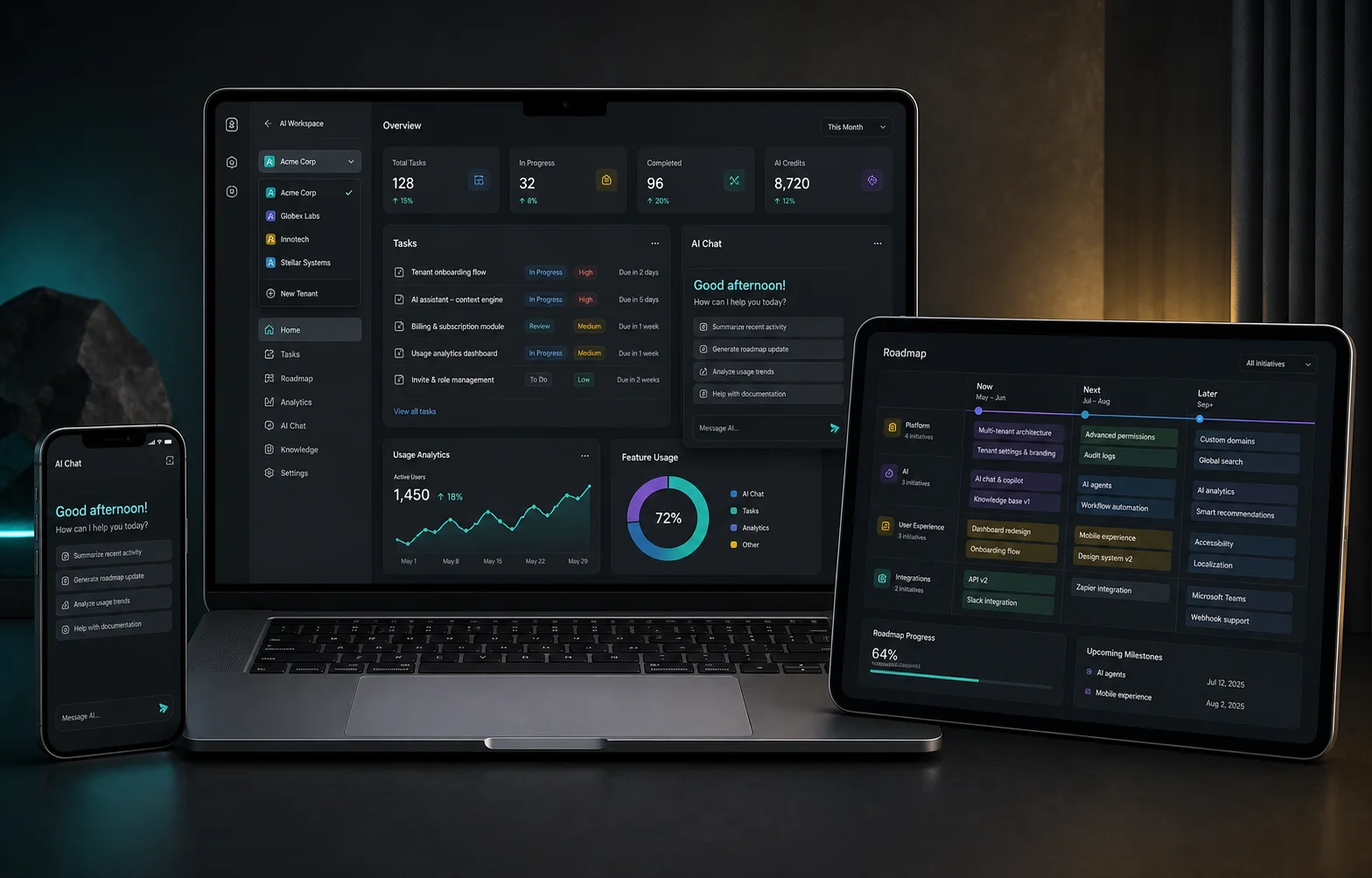
react · saas
Starter kit React + TypeScript para SaaS multi-tenant com Firebase, Atomic Design, temas, PWA, telas de produto, MirageJS e chat com Gemini extensível a outros providers. Valide requisitos de produção, custos e integrações antes de publicar.
Ver produto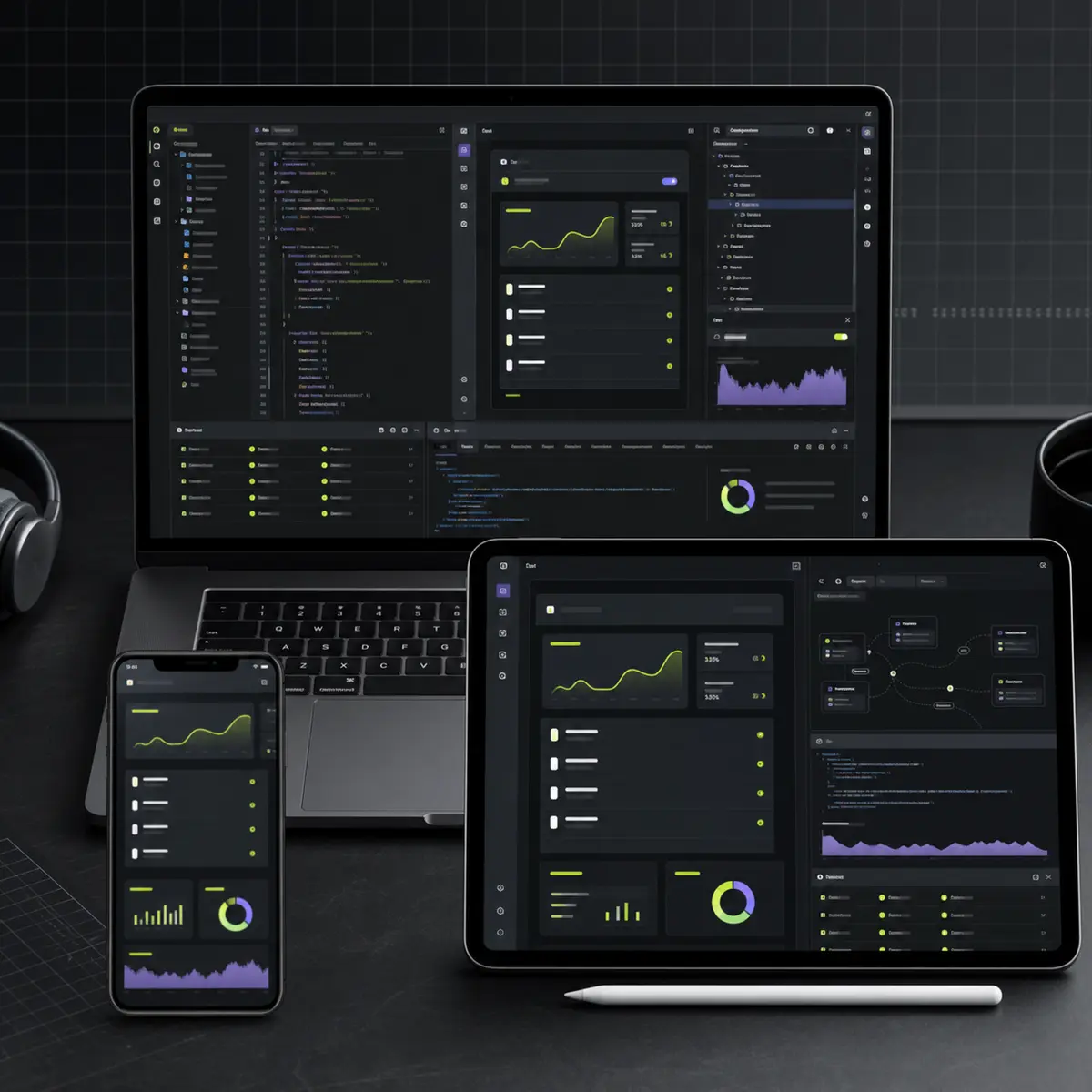
react · boilerplate
Starter React público com TypeScript, Zustand, React Query, Tailwind CSS, PWA e integrações de IA documentadas. O repositório não declara uma licença SPDX; revise os termos antes de uso comercial.
Ver produto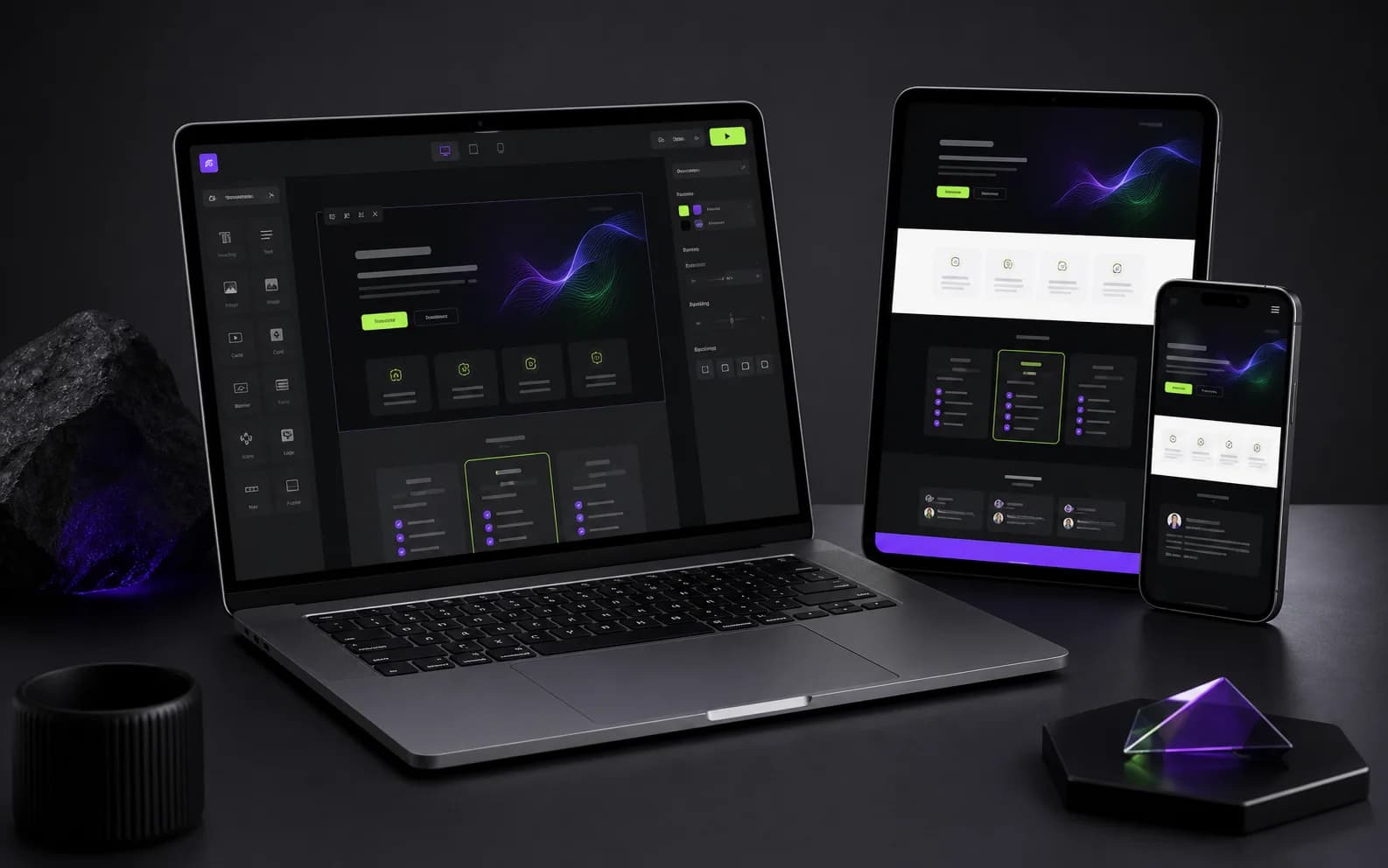
nextjs · saas
Landing page SaaS para Next.js, TypeScript e Tailwind CSS com SEO, temas, i18n, PWA e pontos de integração para auth, Stripe e IA. Uma base clara para sair da tela vazia e adaptar sua proposta.
Ver produtoContinue explorando tópicos similares

Como desenhar o sistema completo de um banco digital de ponta a ponta — do ledger de partidas dobradas e idempotência financeira até event sourcing, sagas, antifraude e os trade-offs de consistência do Teorema CAP. Guia hiperdetalhado, com diagramas e TypeScript real.
# Por Que Seus Agentes de IA Continuam Falhando (E Como Consertar) Você gastou 3 meses construindo agentes de IA. Funcionaram lindamente nas demos. Em produção, são um desastre. A
React nasceu para resolver a camada de interface, não para definir a aplicação inteira. Isso explica o surgimento de Next.js, Remix, Vite e todo o ecossistema em volta do React. Este artigo mostra por que essa distinção entre biblioteca e framework continua relevante, quais trade-offs ela cria e quando faz sentido usar React puro ou um meta-framework.
Checklist de 47 pontos para encontrar bugs, riscos de segurança e problemas de performance antes do lançamento.
Templates testados em produção, usados por desenvolvedores. Economize semanas de setup no seu próximo projeto.