


Anderson LimaSoftware Engineer & Architect
October 24, 2026
10 min read
3 views
Using Robert C. Martin's criteria without turning reviews into taste contests

A code review can spend an afternoon arguing about function length and still miss a duplicate charge. It can also wave through a two-hundred-line method because everybody has become accustomed to it. Both situations expose the difficulty of explaining what makes code maintainable. Clean Code remains useful in that space: it gives developers specific things to discuss, although some of its recommendations require substantial judgment.
I suggest carrying one question through the book: after this change, can someone locate a rule, predict its effects and check its behavior with less effort? That gives you a way to use Martin's advice and challenge it with evidence. It also prevents one author's preferences from becoming automatic conditions for approving a pull request.
This review covers Clean Code: A Handbook of Agile Software Craftsmanship, by Robert C. Martin, first edition, published in August 2008, ISBN 9780132350884. The catalog lists a 2009 copyright, which refers to the same edition. Its structure combines principles, code studies, including JUnit and SerialDate, and heuristics. This assessment is limited to the first edition. Bibliographic details come from the Pearson/InformIT publisher page.
The book examines naming, functions, comments, error handling and tests as maintenance decisions. I recommend it to developers who want concrete language for discussing readability and deciding whether a refactoring makes the next change easier. If your review comments still stop at "this is confusing," having a vocabulary for the source of that confusion can make the conversation considerably more productive.
The cost of accumulating disorder is a concern in the official first-edition sample. My interpretation is that local decisions leave work for whoever changes the program next. An ambiguous variable requires investigation. Mixing calculation with network calls increases the setup needed to test a business rule. Inconsistent terminology forces readers to consult history before they can trust what they see.
This perspective gives everyday engineering choices their proper weight. A sound architecture does not make an omitted unit of measurement harmless. A service can have sensible boundaries and still contain a calculation that nobody can check confidently. Effort should nevertheless match consequence: renaming a private variable is cheap, while changing a public API requires compatibility decisions and a migration plan.
I would therefore use the book as a source of review questions. A list of prohibitions can produce quick answers with very little context. Asking what information a reader must reconstruct usually leads to a more useful discussion of the particular code in front of the team. The standard becomes whether the change makes that task easier, rather than whether it resembles a preferred example.
Compare amount, total and subtotal_cents. The last name communicates both a unit and a stage in a calculation. It leaves questions about currency and tax, but it removes one ambiguity without introducing a class or moving a file. Improvements of this kind offer a good return for their modest cost.
A descriptive name has limits. validateAndReserveAndChargeAndNotify reveals several effects, but it also suggests that callers may need operations with different boundaries. Business vocabulary matters just as much. Voiding an authorization, refunding a payment and canceling an order are distinct events. Calling all of them cancel can hide a distinction that the support team relies on every day.
Arguments deserve the same scrutiny. In Martin's own article on boolean arguments, he argues for eliminating them because they conceal different behaviors. submit(order, True) illustrates the concern: a reader must discover what the flag selects. Distinct operations such as preview_order and place_order reveal a difference in effects at the call site.
I would apply that reasoning to obscure mode selectors. A boolean representing a domain fact, such as whether consent was confirmed, deserves a separate assessment. Replacing every boolean with additional methods can enlarge an API without improving its model. Ask which distinction the caller needs to understand and which invalid combinations the interface makes possible. That question is more useful than enforcing a ban by searching signatures.
Free and paid products to turn ideas into a foundation you can actually ship.
13 products available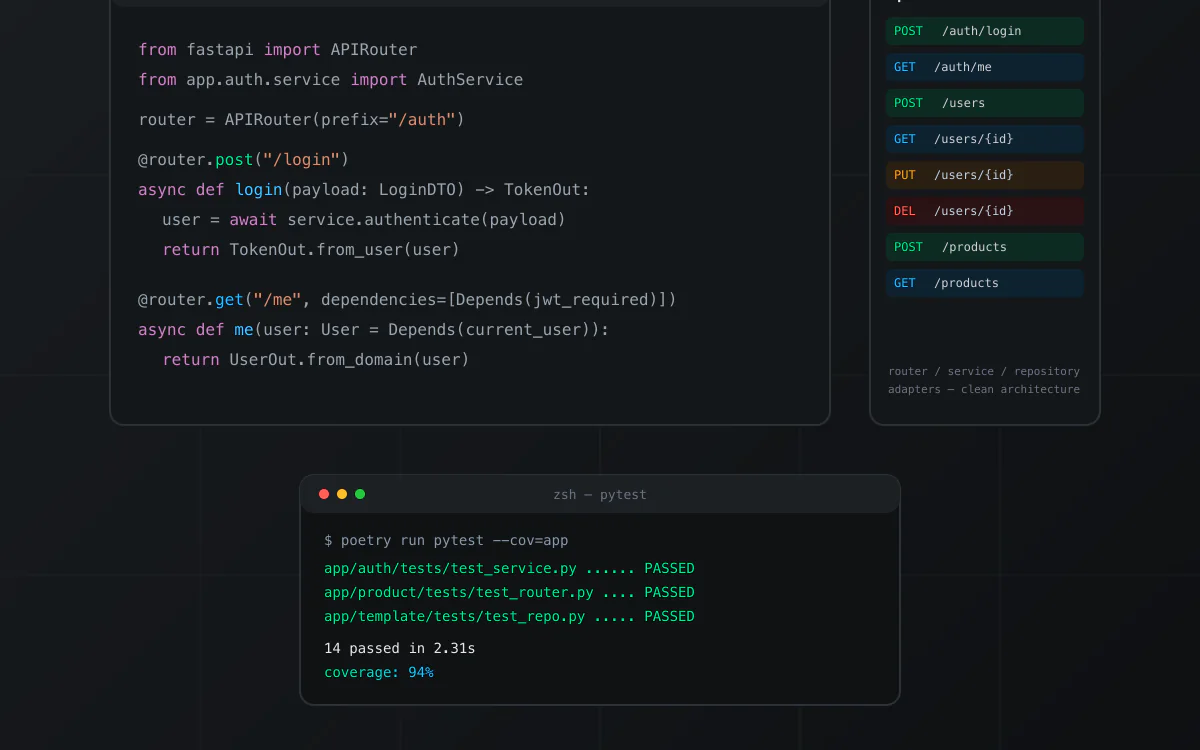
nextjs · boilerplate
Boilerplate de API em Python com FastAPI, organizado em Clean Architecture (router, service, repository e adapters por módulo). Inclui autenticação JWT com hashing bcrypt, MongoDB, testes com pytest e cobertura, Dockerfile e docker-compose para subir localmente, e documentação Swagger/OpenAPI automática. Repositório de origem privado; snapshot técnico verificado antes da publicação.
View product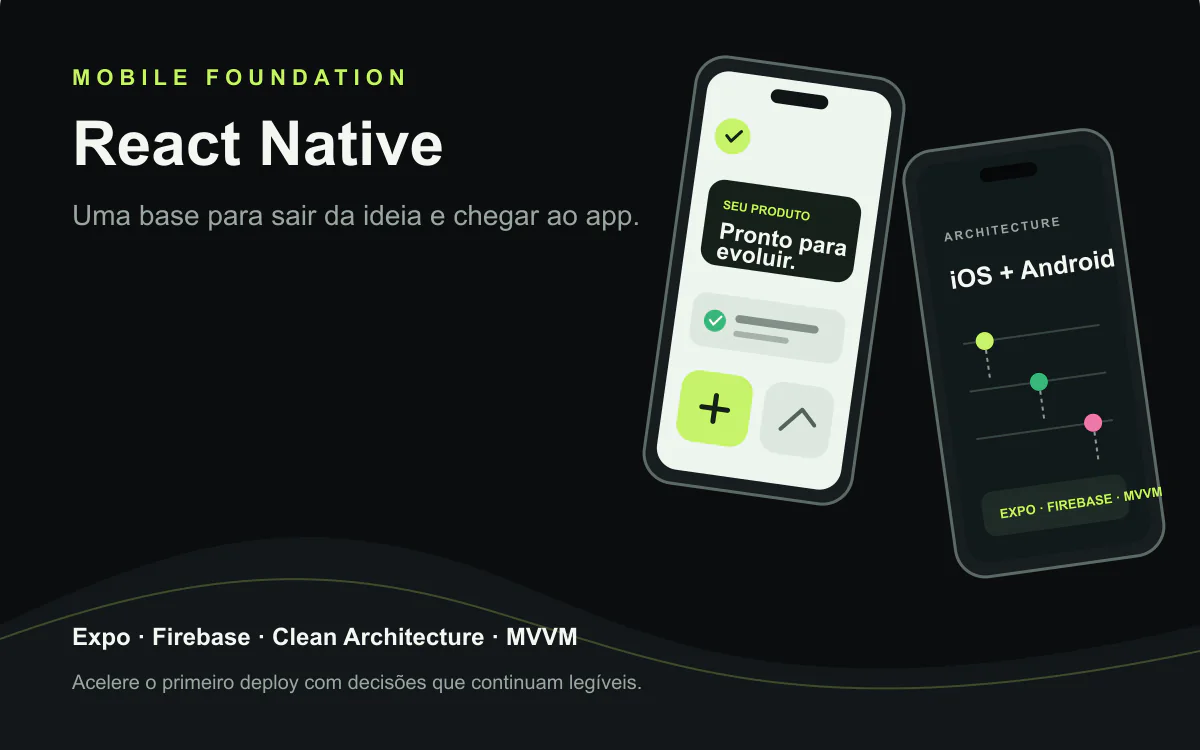
react · boilerplate
A React Native foundation for iOS and Android apps with Expo, Clean Architecture, MVVM, Firebase, and native modules. Technical reference from VaiDeFut, with public Google Play distribution and a documented iOS publishing flow.
View product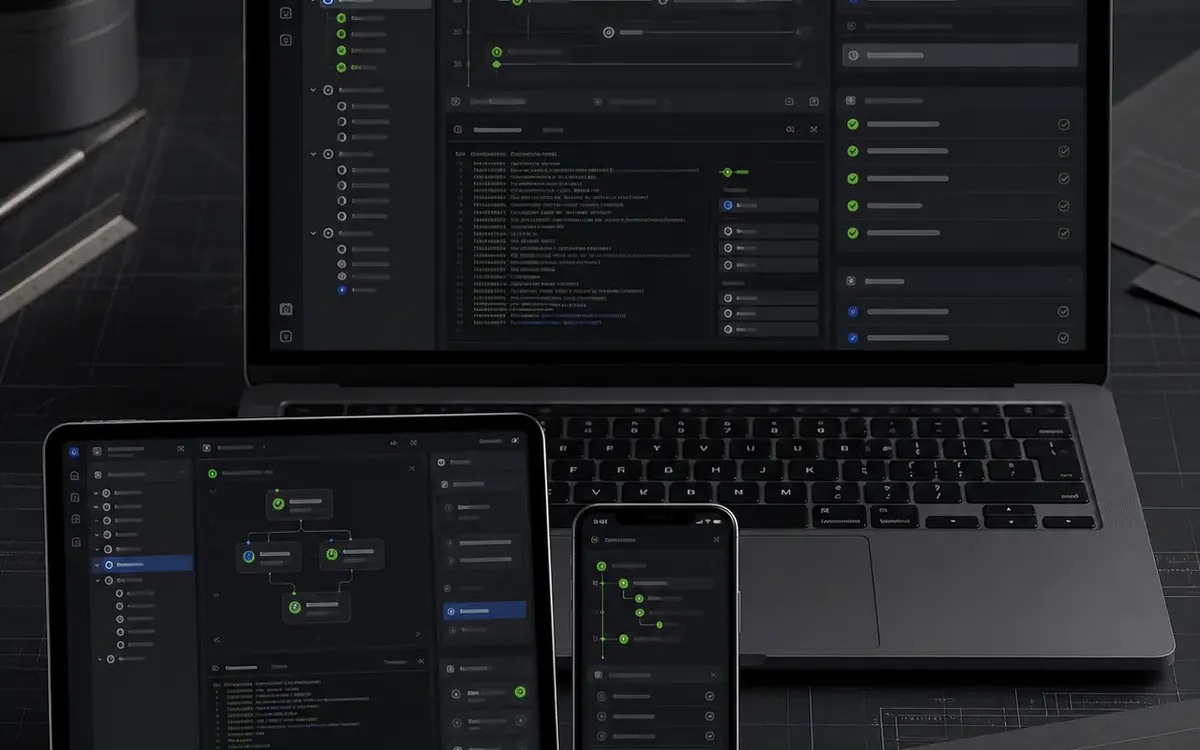
nextjs · boilerplate
A free open-source kit for getting started with coding agents across Claude Code, Codex, Gemini, Copilot, and OpenCode. The public repository confirms an MIT license.
View product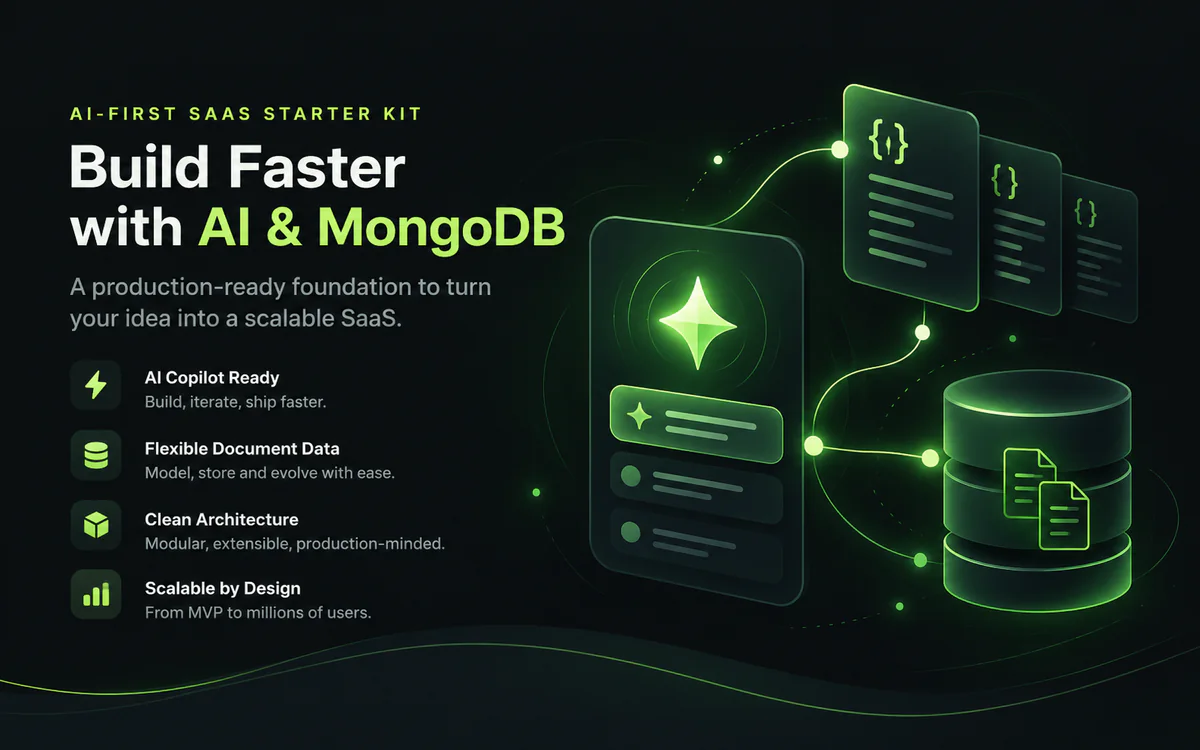
nextjs · boilerplate
A white-label AI-first foundation for shipping SaaS products with Next.js, chat, RAG, memory, tenants, and documentation. The verified snapshot documents Supabase rather than MongoDB; that limitation is explicit. MongoDB, Redis, and RabbitMQ require a compatible integration/configuration.
View product
nextjs · boilerplate
An advanced white-label, multi-tenant AI-first foundation for accelerating products with Next.js, chat, RAG, memory, and documentation. The verified snapshot does not prove a distinct Ultra layer; that limitation stays explicit while provider, cache, and queue swaps remain visible.
View product
nextjs · boilerplate
A white-label, multi-tenant foundation for turning an idea into an AI-first SaaS with Next.js, chat, RAG, memory, and documented security. The verified snapshot uses Supabase; the name identifies the source repository. Provider, cache, and queue boundaries stay explicit; Redis and RabbitMQ are configurable integrations.
View product
react · portfolio
A one-time contribution that supports free technical content, research, and the continuity of relevant projects published by Anderson Lima. You choose the amount; there is no subscription.
View product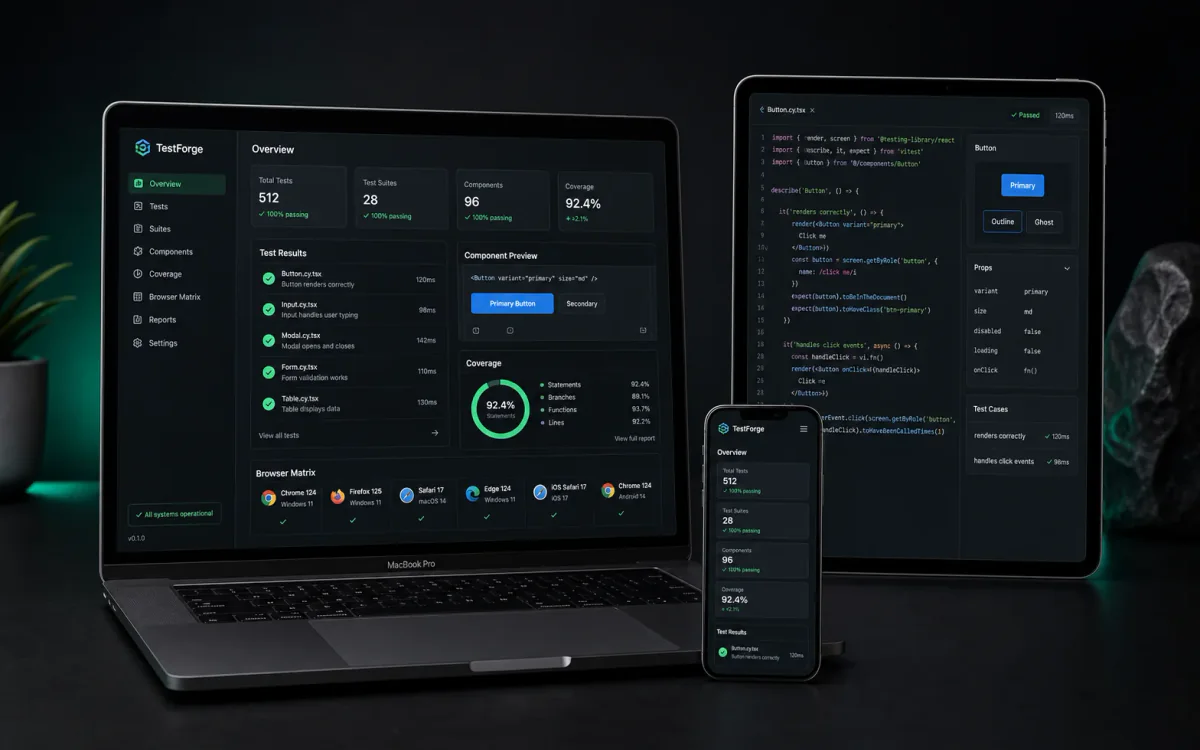
react · boilerplate
A free React starter for building a reliable test suite from the first commit, combining Vitest, Testing Library, Playwright, Vite, TypeScript, Zustand, React Query, MirageJS, and PWA. The repository does not declare an SPDX license; review its terms before commercial use.
View product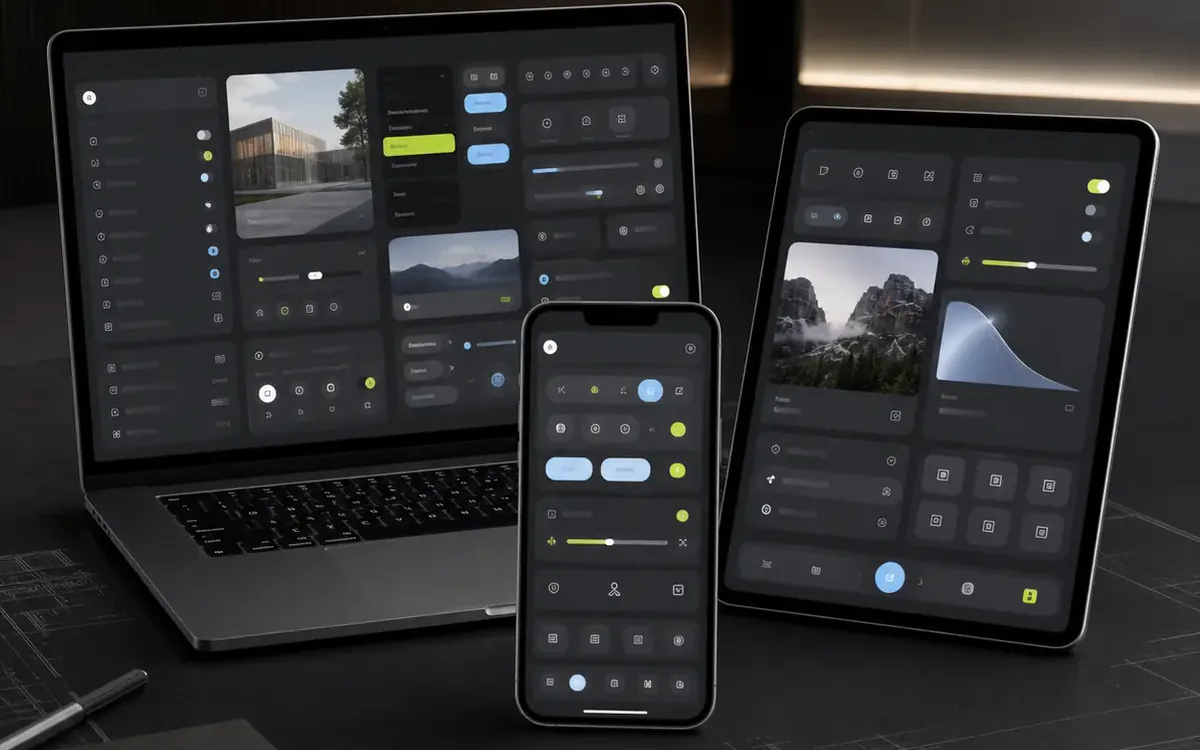
react · portfolio
A public React, TypeScript, and Vite monorepo for exploring a component library with a native-inspired visual language. The current README is minimal and does not declare an SPDX license; treat it as a free preview.
View product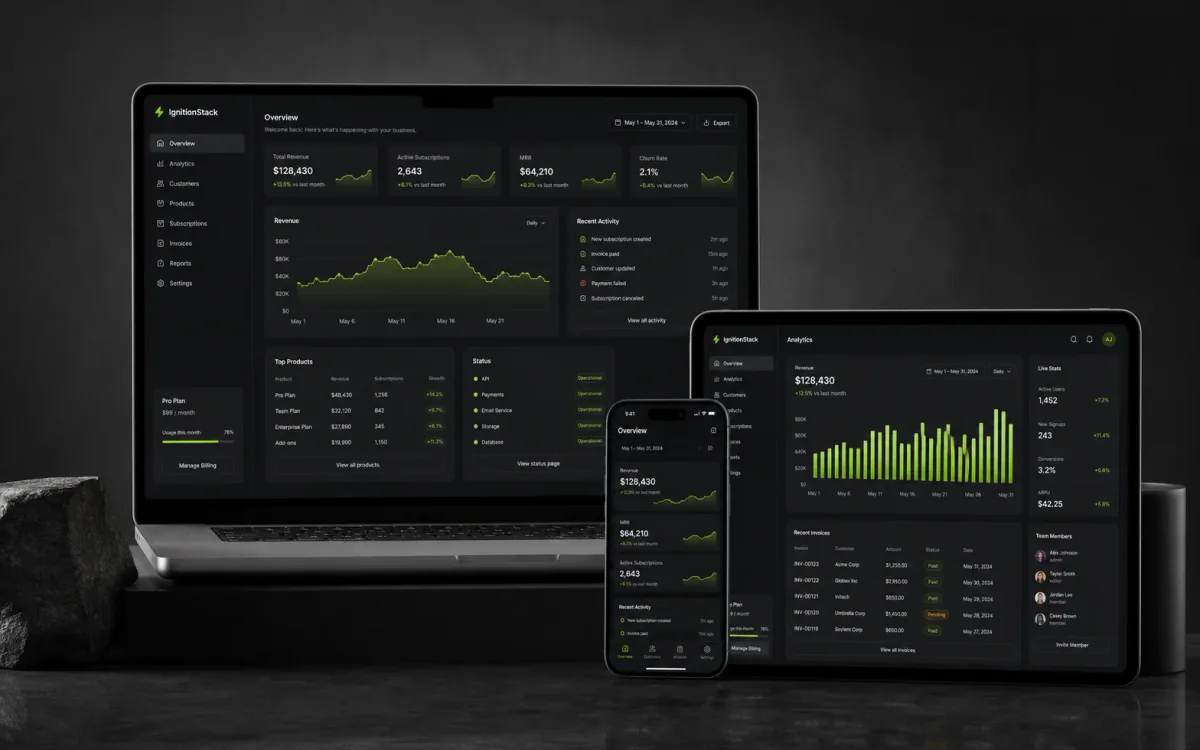
nextjs · saas
An AI-first SaaS boilerplate with Next.js, Supabase, Stripe, and provider routing to move from the first prompt toward a real deployment faster. AI, data, email, cache, and queue adaptations stay explicit; Redis and RabbitMQ are configurable integrations.
View product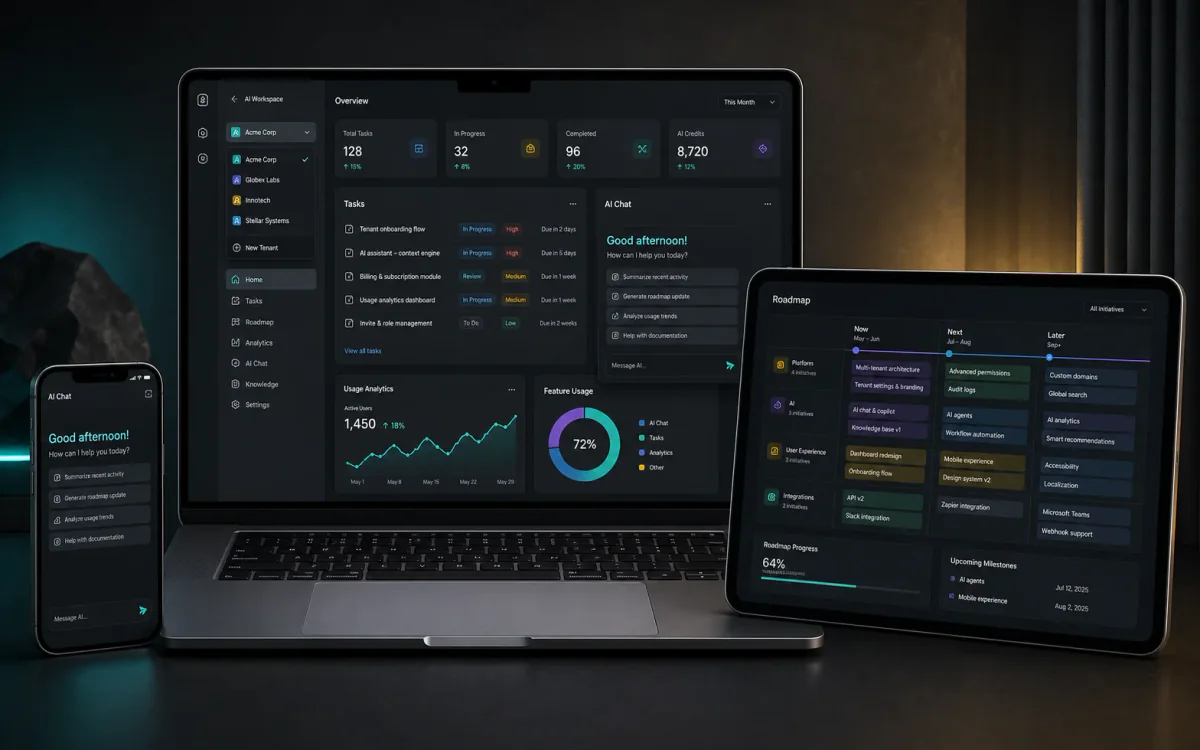
react · saas
A React + TypeScript starter for multi-tenant SaaS with Firebase, Atomic Design, themes, PWA, product screens, MirageJS, and Gemini chat extensible to other providers. Validate production requirements, costs, and integrations before publishing.
View product
react · boilerplate
A public React starter with TypeScript, Zustand, React Query, Tailwind CSS, PWA, and documented AI integrations. The repository does not declare an SPDX license; review its terms before commercial use.
View product
nextjs · saas
A Next.js, TypeScript, and Tailwind CSS SaaS landing page with SEO, themes, i18n, PWA, and integration points for auth, Stripe, and AI. A clear foundation for leaving the blank screen behind and shaping your positioning.
View productContinue exploring similar topics

A critical review of The Clean Coder: estimates, negotiation, testing and responsibility, with a concrete scenario and limits to individual accountability.

A review of The Pragmatic Programmer's anniversary edition: DRY, reversibility, prototypes and feedback examined through an inventory-import scenario.

A review of Refactoring's second edition: small steps, tests and contracts, with a runnable example, criticism and a practical reading plan.
A 47-point checklist to find bugs, security risks, and performance issues before launch.
Production-tested templates trusted by developers. Save weeks of setup on your next project.
The following is an original teaching example, not code from the book. Imagine a fictional store where an order with a subtotal of at least 20,000 cents qualifies for free shipping. Below that threshold, shipping costs 1,500 cents. The total is the sum of those amounts. Discounts, taxes and external services are outside this example.
An initial implementation might put everything inside process(order): add the items, check the threshold, charge the customer and send an email. Extracting the calculation creates a useful boundary because a reviewer can examine the pricing rule without executing a charge. The minimal version below uses Python 3 with no dependencies. Running it passes all checks and exits without output:
FREE_SHIPPING_THRESHOLD_CENTS = 20_000
STANDARD_SHIPPING_CENTS = 1_500


def shipping_cents(subtotal_cents: int) -> int:
    if subtotal_cents < 0:
        raise ValueError("subtotal must be nonnegative")
    if subtotal_cents >= FREE_SHIPPING_THRESHOLD_CENTS:
        return 0
    return STANDARD_SHIPPING_CENTS


def total_cents(subtotal_cents: int) -> int:
    return subtotal_cents + shipping_cents(subtotal_cents)


assert total_cents(0) == 1_500
assert total_cents(19_999) == 21_499
assert total_cents(20_000) == 20_000
assert total_cents(25_000) == 25_000

try:
    total_cents(-1)
except ValueError:
    pass
else:
    raise AssertionError("negative subtotal was accepted")
The 19,999 case makes the boundary visible. Testing only a cheap order and an expensive order would leave the distinction between > and >= without direct protection. The zero case exposes a potentially odd decision: an empty order still incurs shipping. The code implements the stated rule, but a real team would need to ask the product owner whether that behavior belongs in production.
The extraction earns its place because shipping_cents names a concept that can be explained independently. Adding helpers called is_high_enough, get_standard_value and add_values would break up a calculation that already fits comfortably in the reader's working memory. Individual functions would become shorter while navigation increased. My preference here is to keep the comparison close to its result.
These assertions check only the cases shown. They do not establish equivalence with an existing checkout, enforce runtime types or handle multiple currencies. They do not solve idempotency, prices changing during purchase, persistence or payment-provider failures either. The clarity gain is local and should be described that way. A real refactoring would need protection for the existing behavior before replacing its calculation.
This is also why a neat snippet cannot settle an architectural debate. The same calculation may need a different boundary when several pricing policies vary independently or when a public contract must remain compatible. Review the change the system actually needs before adding extension points for hypothetical requirements.
A comment saying "add shipping to the subtotal" contributes little beside the return statement in total_cents. A comment recording the commercial reason for the threshold, with a reference to the decision, could prevent someone from "correcting" it later. Whether a comment helps depends on the information the code can communicate. Names describe operations, but they do not always explain why a constraint exists.
I would be particularly careful around protocols, algorithms and compatibility workarounds. Removing a note about a supplier's defective behavior can erase the reason for an apparently redundant condition. Compare the cost of maintaining that note with the cost of rediscovering the decision. Public contract documentation also serves people who should not have to read the implementation to use it safely.
Tests help identify what a review must preserve. In the example, names communicate units while the cases communicate the threshold. Giving every private helper a rigid test could make a change in decomposition break the suite without changing any result. I would favor observable contracts and reserve internal tests for logic that merits independent verification. Otherwise, the suite can make harmless restructuring unnecessarily expensive.
The most questionable move is treating function length as a substitute for simplicity. A short routine can depend on several external concepts; a longer routine can present a coherent sequence. I would examine how much information a reader must hold to make a specific change. A line count cannot answer that question on its own.
There is an identifiable alternative perspective. John Ousterhout explicitly describes disagreements with Martin about method length and comments on his A Philosophy of Software Design page. I recommend comparing those perspectives against the same piece of your own code. If an extraction adds an interface while leaving callers dependent on all its internal details, its benefit still needs to be demonstrated.
The book's 2008 context matters as well. Its association with Java and object-oriented examples calls for care when applying its organization to functional code, data pipelines or performance-sensitive routines. Extra objects and calls may suit one service and be inconvenient elsewhere. Any performance claim requires representative measurement; applying a cleanliness heuristic does not remove that obligation.
An indiscriminate recommendation can also ignore a team's immediate situation. A system with little test coverage, urgent delivery and poorly understood behavior needs a safe change strategy. Broad cleanup can use the available delivery window while introducing regressions. Choose a boundary needed for the current change, document its contract and keep the diff reviewable. Readability goals do not grant an unlimited refactoring budget.
I recommend the book to developers who can already implement functions, follow calls and write simple tests, but struggle to explain design decisions during review. A small existing project provides enough material for questioning the advice. Experience with production incidents helps readers recognize hidden effects. Having concrete code to examine matters more than a particular job title.
If you are still learning syntax and debugging, I would postpone a complete reading. Writing small programs and basic tests first gives the discussion a useful foundation. Experienced developers can use the book to reassess team conventions: which rules reduce mistakes, which merely preserve someone's taste, and which overlook the language's ordinary idioms? Reading together is worthwhile when disagreement remains tied to actual examples.
Your next book in the series should follow your current obstacle. If you agree that code needs improvement but want help making small changes, continue with Refactoring. If changing unprotected code is the main difficulty, prioritize Working Effectively with Legacy Code. To challenge whether a decomposition reduces complexity, read A Philosophy of Software Design. These are different roles in a reading plan, and comparing them helps prevent one preference from becoming a universal answer.
Read one topic at a time. Keep a short record of the problematic code, the reader's question, the proposed change and the expected evidence. Start with an ambiguous name in code you already need to modify. Then try separating a calculation from an external effect. That sequence lets you observe benefits and costs before proposing a repository-wide convention.
For each experiment, ask a colleague to describe inputs, outputs and side effects before and after the edit. Check the same behavior cases, including relevant boundaries and failures. Record anything that became worse, such as extra navigation, another interface or difficulty locating a rule. An honest account of those costs is more informative than declaring the result "clean."
My verdict is favorable when the book is read this way. Clean Code supplies useful vocabulary for discussing maintenance and directs attention toward small decisions that accumulate cost. Its value falls when heuristics become context-free orders. Read it with an editor and a project open, ready to explain both an improvement and a disagreement. The worthwhile result is a team that can justify changes more precisely.